Tasmania Travel Journal: From Launceston to Hobart in a Week
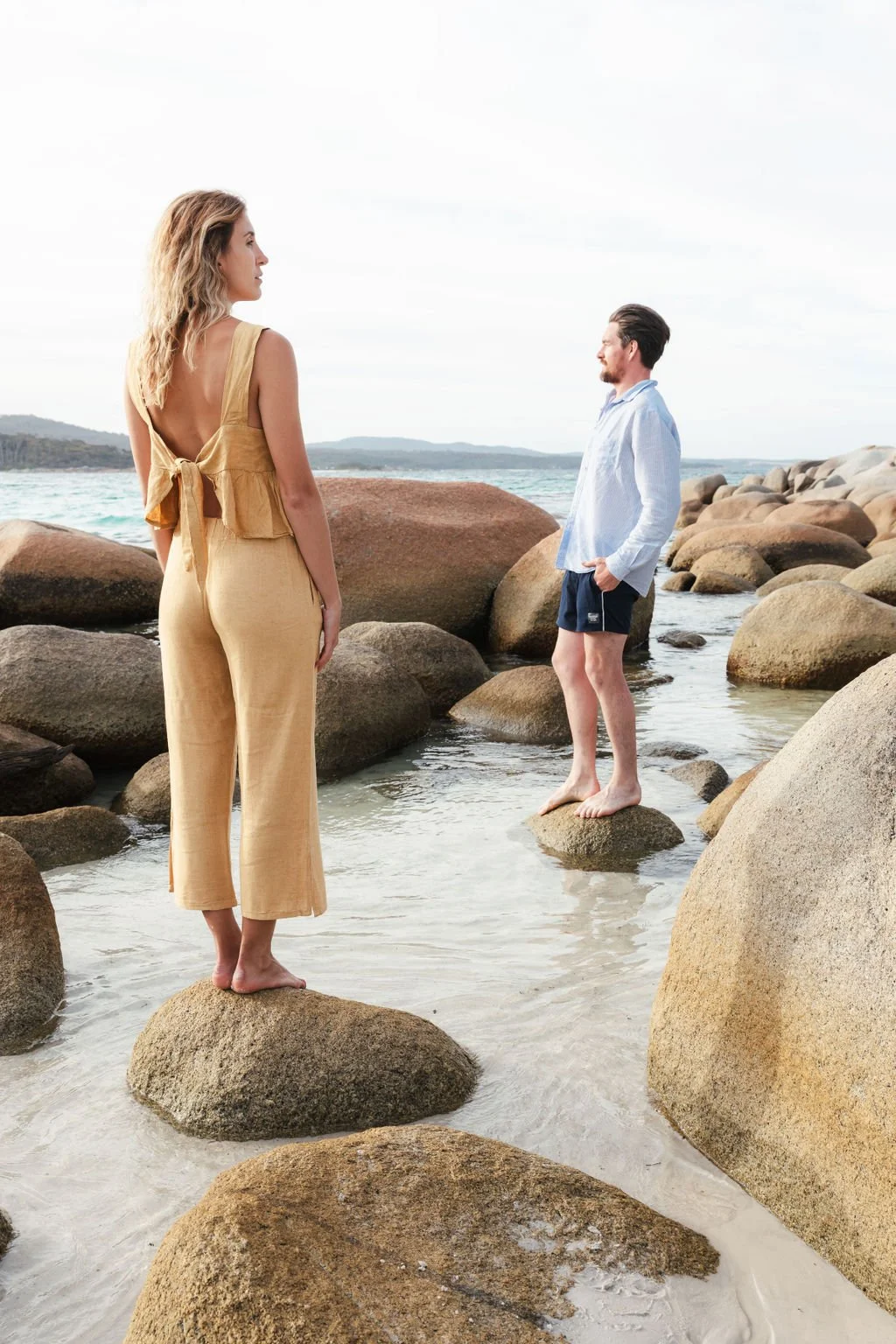
Tasmania is Australia’s wild, scenic island state—packed with rugged coastlines, quiet beaches, rich history, and some of the country’s best food and drink. We road-tripped from Launceston to Hobart. Here’s our full itinerary and travel diary.
Day 1 – Arrive and explore Launceston, whisky tasting
Day 2 – Road trip to Bay of Fires, Lavender farm, floating sauna in Derby, glamping at Bay of Fires
Day 3 – Beaches and oysters, drive to Dolphin Sands
Day 4 – Hike Freycinet National Park, oyster farm experience
Day 5 – Ferry to Maria Island, spot wildlife, drive to Hobart
Day 6 – Hobart markets, brewery tour, colonial town of Richmond
Day 7 – MONA museum, winery tasting, and heading home
Launceston
Our Tasmanian adventure began with a flight into Launceston, where we picked up a rental car we’d booked through ADAC. It was an absolute win — fully insured, budget-friendly, and provided by Avis, making for a completely stress-free start to our journey. From the airport, it was only a short 15-minute drive into the heart of the city.
We parked in the city centre, where street parking costs $3 an hour. In hindsight, we should’ve gone straight to our accommodation, Hotel Verge, which offers free on-site parking — a huge perk, especially considering its central location. The hotel was modern, stylish, and within walking distance to most of Launceston’s highlights. Downstairs, their in-house restaurant and bar served as a great spot to unwind during happy hour. We were thrilled to find one of our favourite Chardonnays on the menu — a Two Tonne Tasmania vintage.
For brunch, we discovered Tinka Coffee Brewers — a spot serving fantastic coffee and a menu that hit the sweet spot between wholesome and indulgent. We spent the rest of the morning strolling around, popping into boutique shops and historical landmarks. One standout was the Old Umbrella Shop, the oldest shop in Launceston and now a National Trust site. It’s part museum, part souvenir shop, and completely free to visit.
Another gem was Loft on St John, a curated boutique with a selection of our favourite hat brand, Will & Bear.
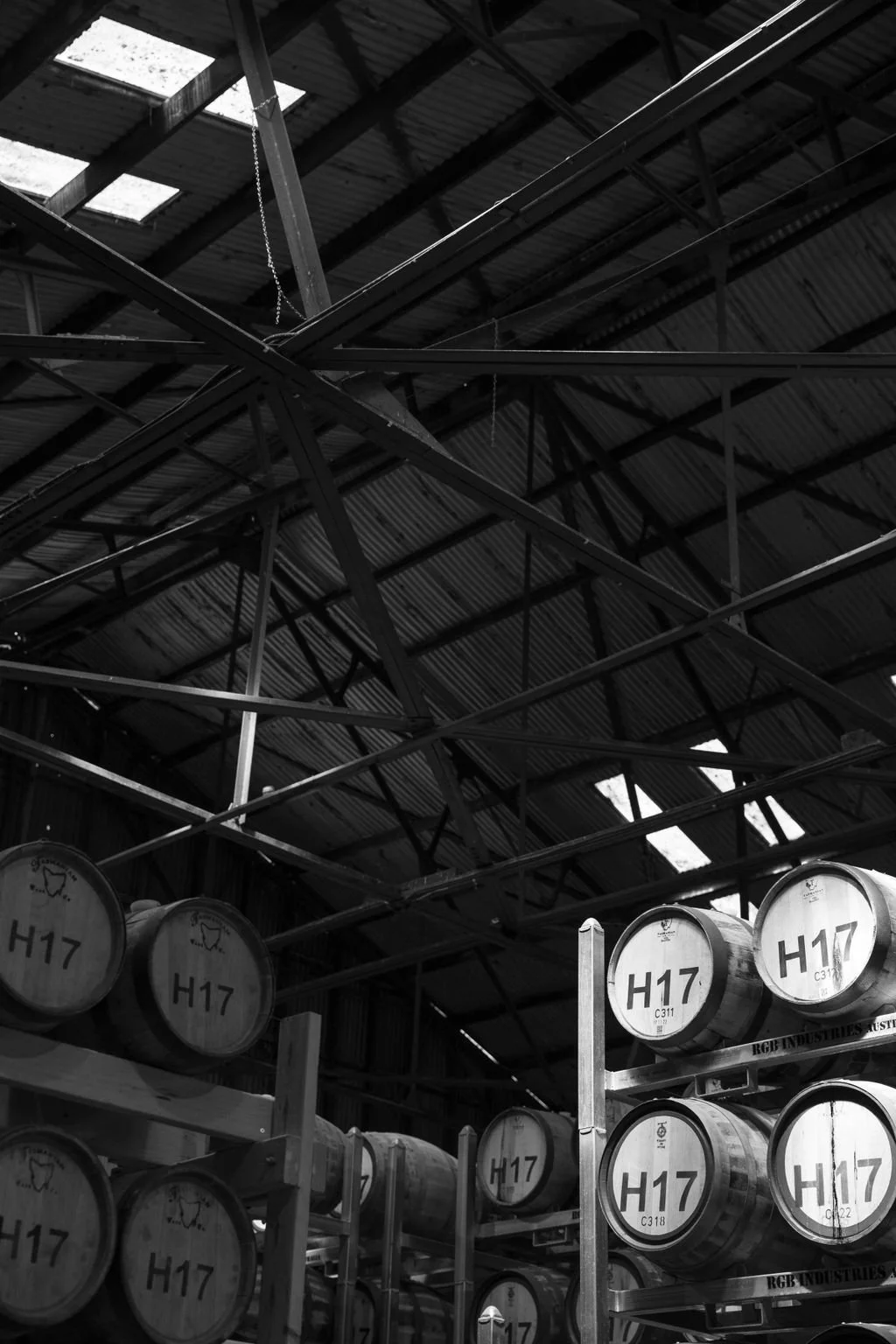
Later, we made a short trip back to the airport to visit the Launceston Distillery, tucked inside Hangar 17 — a beautifully preserved hangar from the 1950s. The tasting room still has vintage airplane seats and a handwritten departure board that takes you back in time. We opted for the $15 whisky tasting — a 20-minute experience that showcased their award-winning small-batch spirits. They also offer a longer, 1-hour tasting and tour for $20.
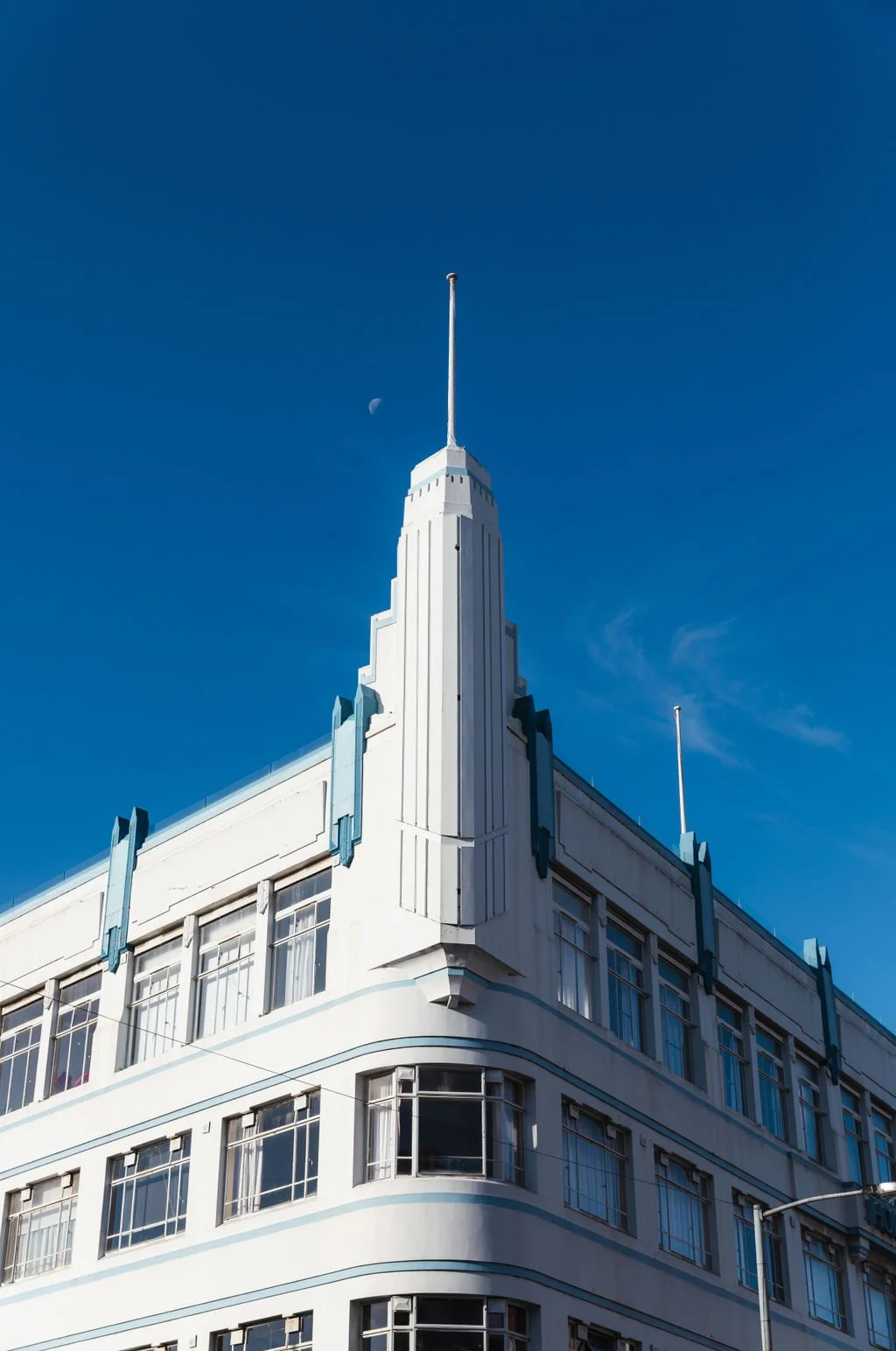
Launceston’s streets are dotted with art deco architecture, which takes on a dramatic look in black and white photography — the curves and shadows pop beautifully when the sun is low in the sky.
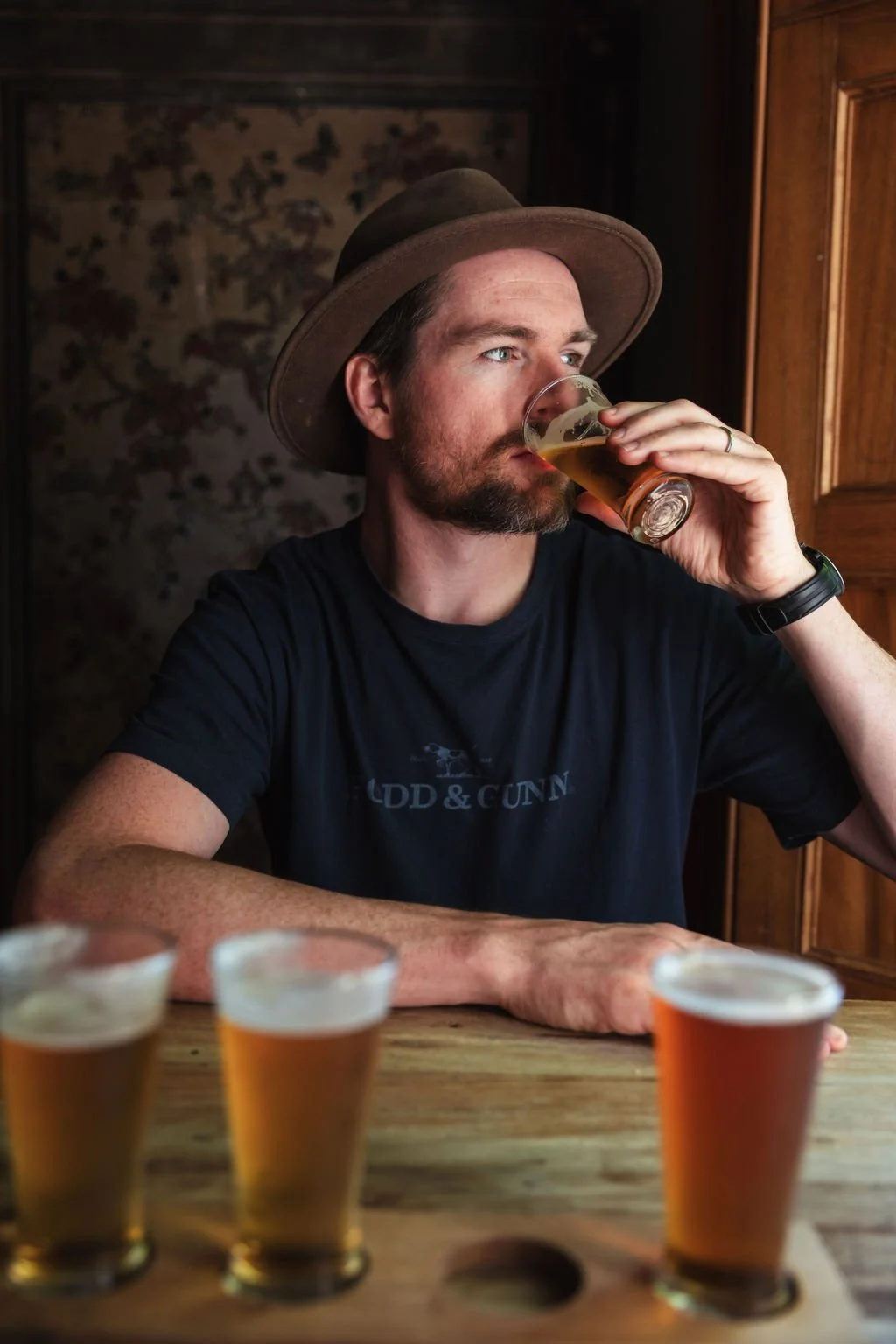
Though we arrived too late for the Boag’s Brewery tour, we made the most of it by sharing a tasting paddle featuring four of their beers.
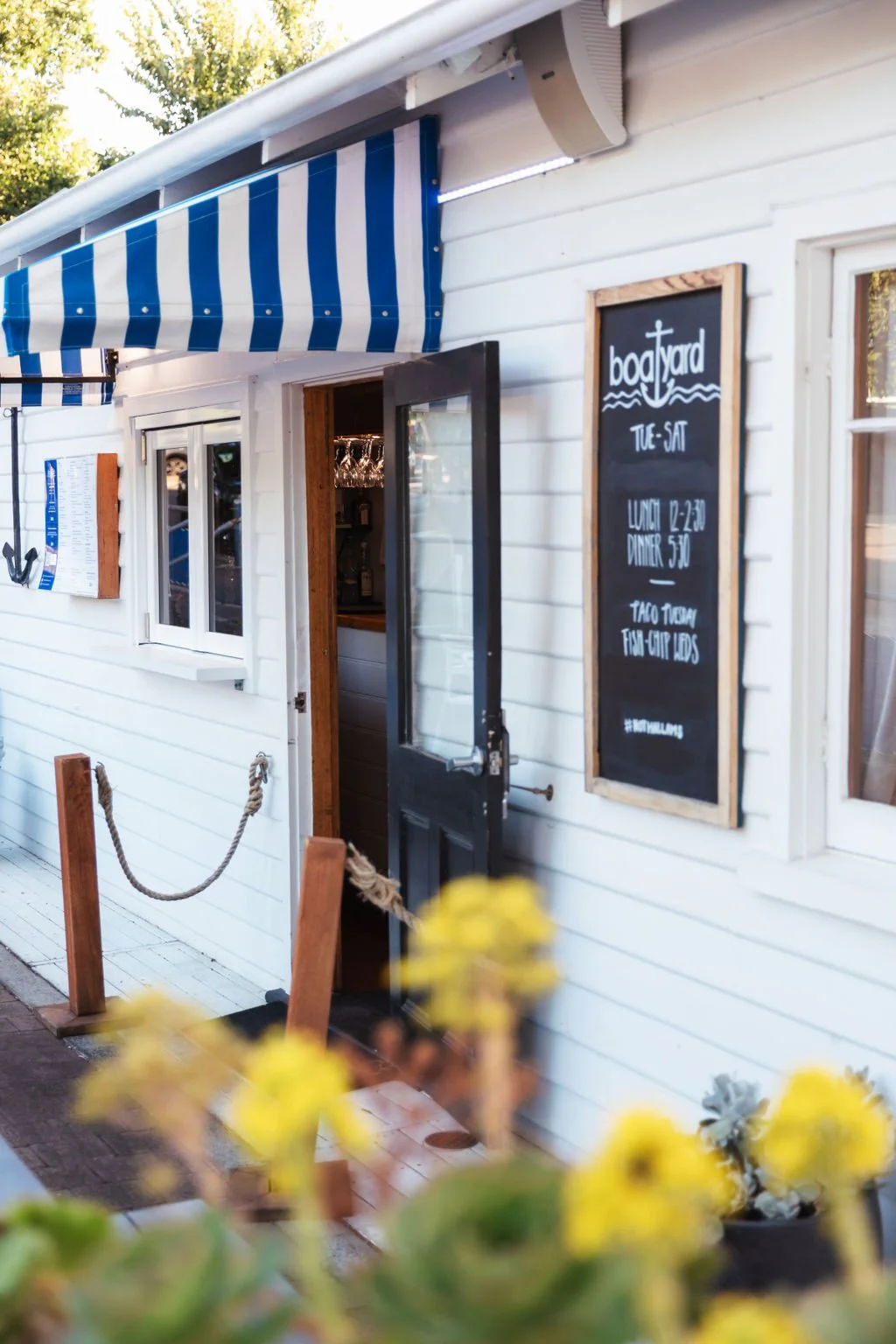
That evening, we dined at the Boatyard, a casual, beachy venue known for its seafood specials. While the indoor view of the river wasn’t spectacular, a short walk around the corner revealed a much better vantage point.
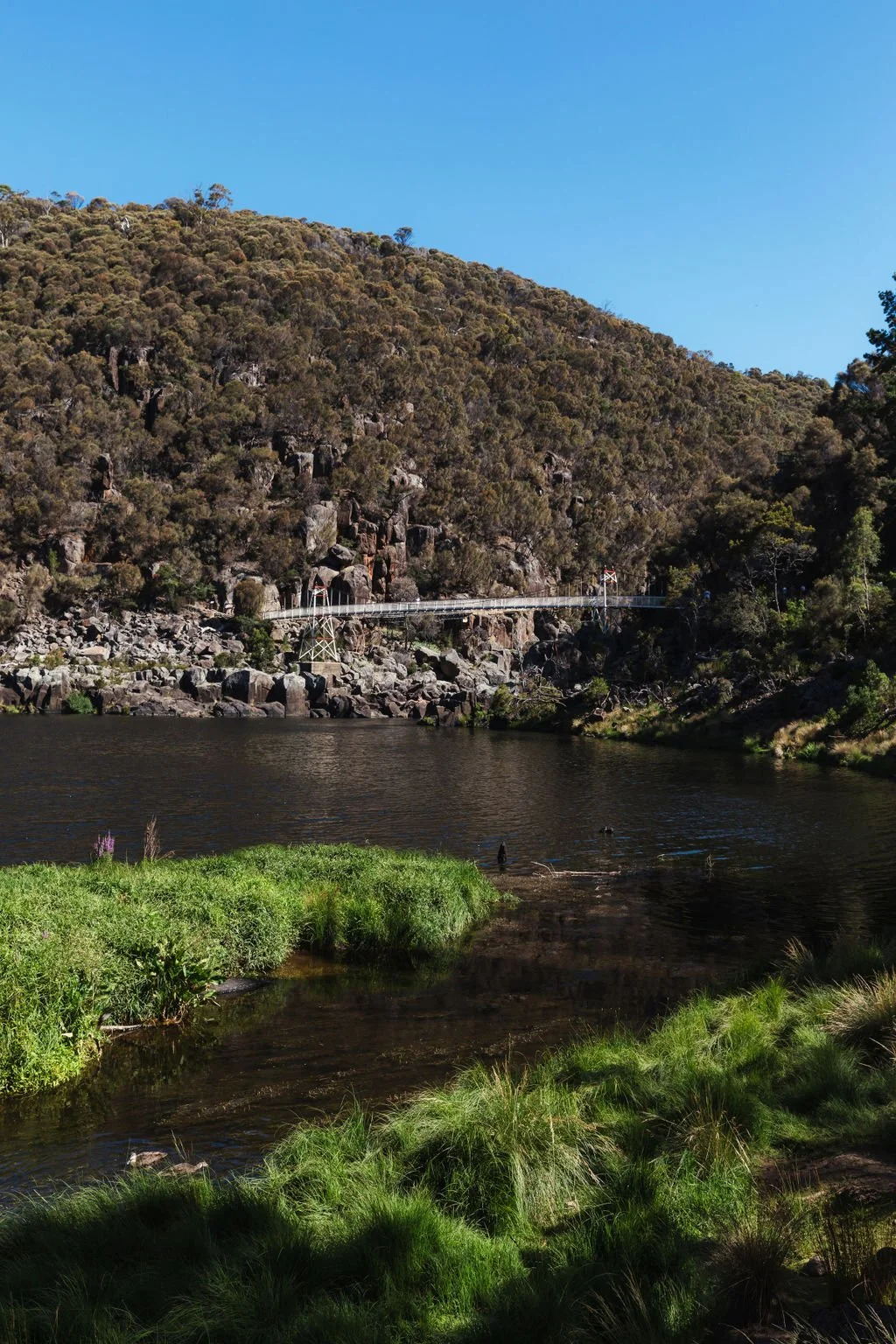
Just a short 2–3 km drive from central Launceston, Cataract Gorge Reserve is a must-visit natural escape. We parked in the nearby paid lot ($4 for four hours, $6 for the day) and started our visit near the riverside swimming pool and the iconic chairlift, which glides across the gorge with beautiful views. Instead of taking the chairlift, we chose to walk the short circuit track, crossing the historic King’s Bridge—a charming old suspension bridge—and looping back along the opposite side. It took us around 30 minutes at a relaxed pace, with lovely views the whole way. There are also longer trails for those wanting more of a hike.
Our next morning started with coffee and a toastie from a Valley Coffee before hitting the road toward the East Coast.
Bridestowe Lavender Farm
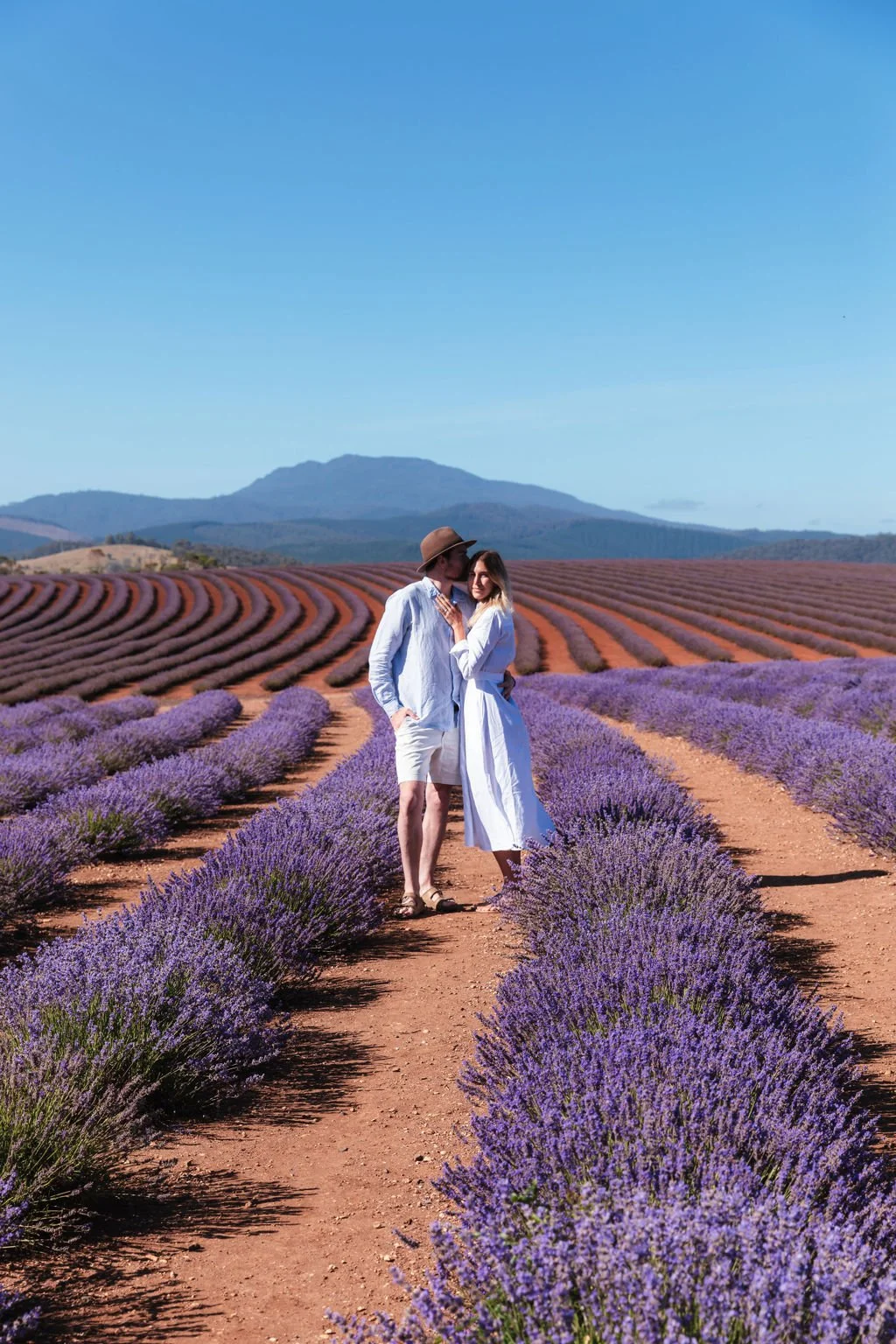
Our first stop was Bridestowe Lavender Farm. Tickets were slightly cheaper since we pre-booked, and our early arrival meant we could enjoy the lavender fields without the crowds. The flowers were in full bloom, with harvest just starting — perfect timing. We wandered through the fields before treating ourselves to lavender ice cream, a surprisingly delicious twist.
Floating Sauna Lake Derby
Next, we drove on to Derby for a truly unique experience: a floating sauna on Lake Derby. We parked at the Derby Fire Station and walked 10 minutes through the bush to reach the sauna. Essentials to bring include a towel and your own drinking water. We were greeted by our host and shown to the changing rooms next to the sauna. Our one-hour session had a limit of five people, and the space felt perfectly sized. It costs $55 per person or $250 for a private session. After 10–15 minutes heating up, we would plunge into the lake—a refreshing contrast to the heat. The water was surprisingly warm for Tasmania and felt invigorating, not shocking.
Bay of Fires
We swung by the IGA in Binalong for snacks and dinner supplies, but it turned out to be unnecessary. Our glamping accommodation at Bush Retreat was thoughtfully stocked with essentials like pasta, rice, olive oil, salt, and pepper — plus a veggie garden and a curated selection of local goods. From cheese platters to heat-and-eat meals, everything was beautifully set up. Board games, bocce, and rings added to the laid-back charm. We roasted the provided marshmallows by the fire pit and swapped travel stories with other guests.
We pre-booked breakfast ($25 per person), which included a cheese toastie, beans, banana bread, chia pudding, and freshly brewed coffee.
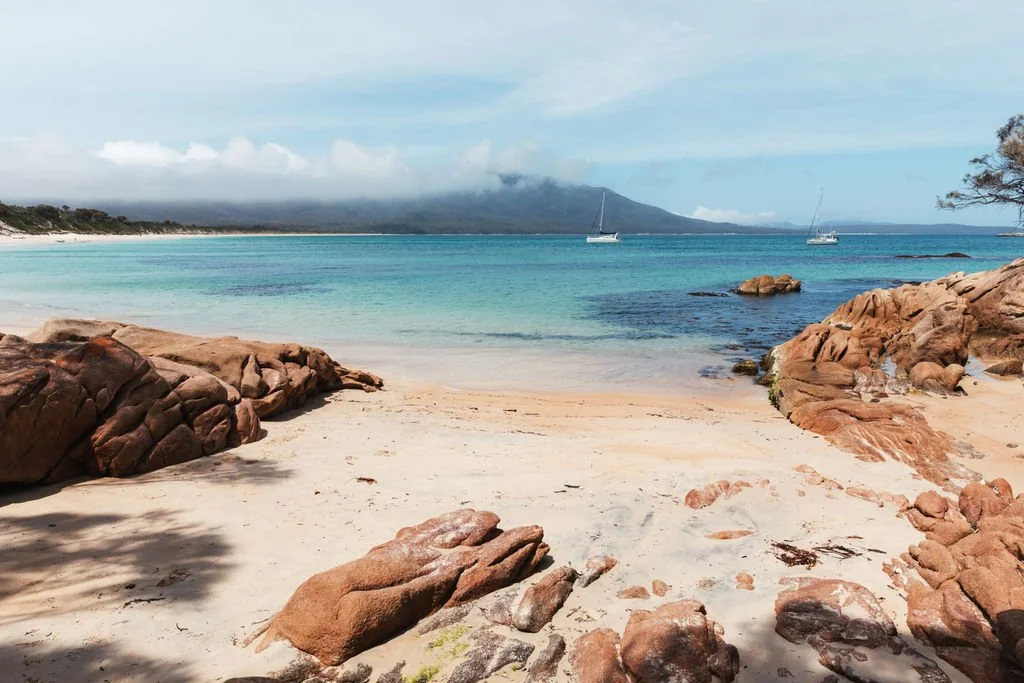
Binalong Bay Beach was hands down the most beautiful beach we saw in Tasmania. The sand was bright white and squeaked beneath our feet, while red-tinged boulders framed the shore. The clear turquoise water and a shallow inlet made for a picturesque swim — albeit a chilly one!
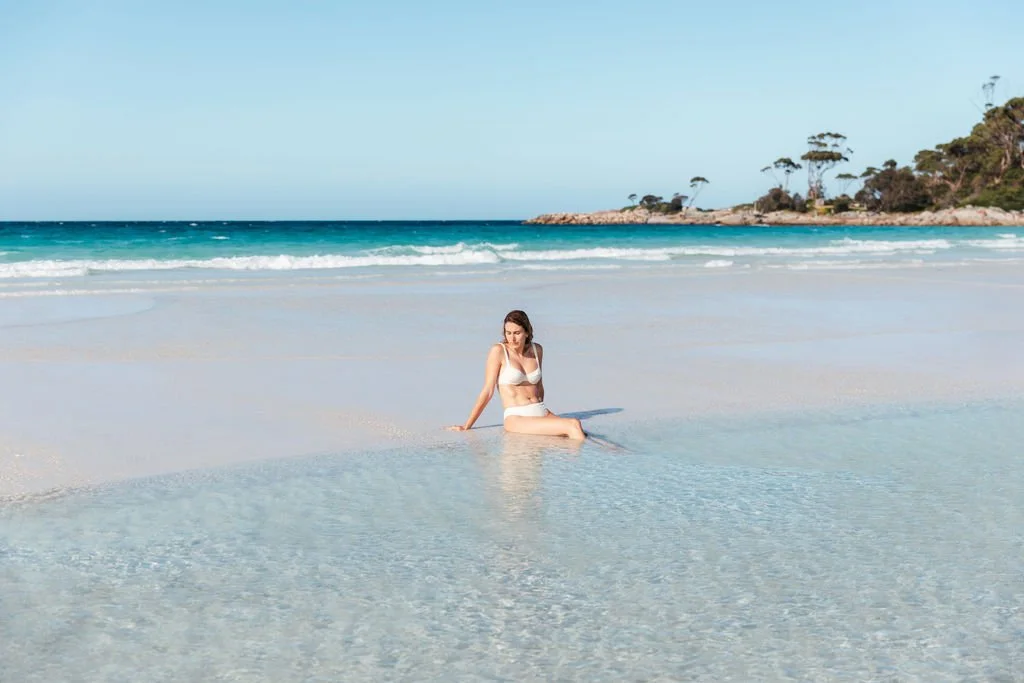
We discovered a hidden path to a secluded cove that was sheltered from the wind, and to our surprise, we had it entirely to ourselves.
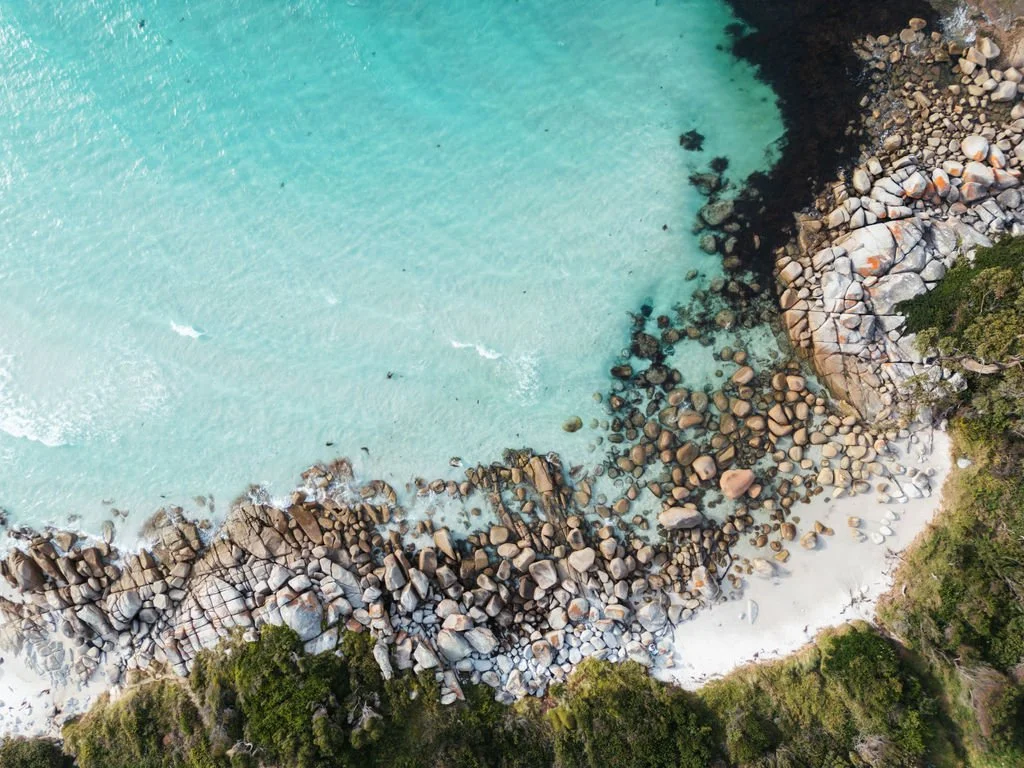
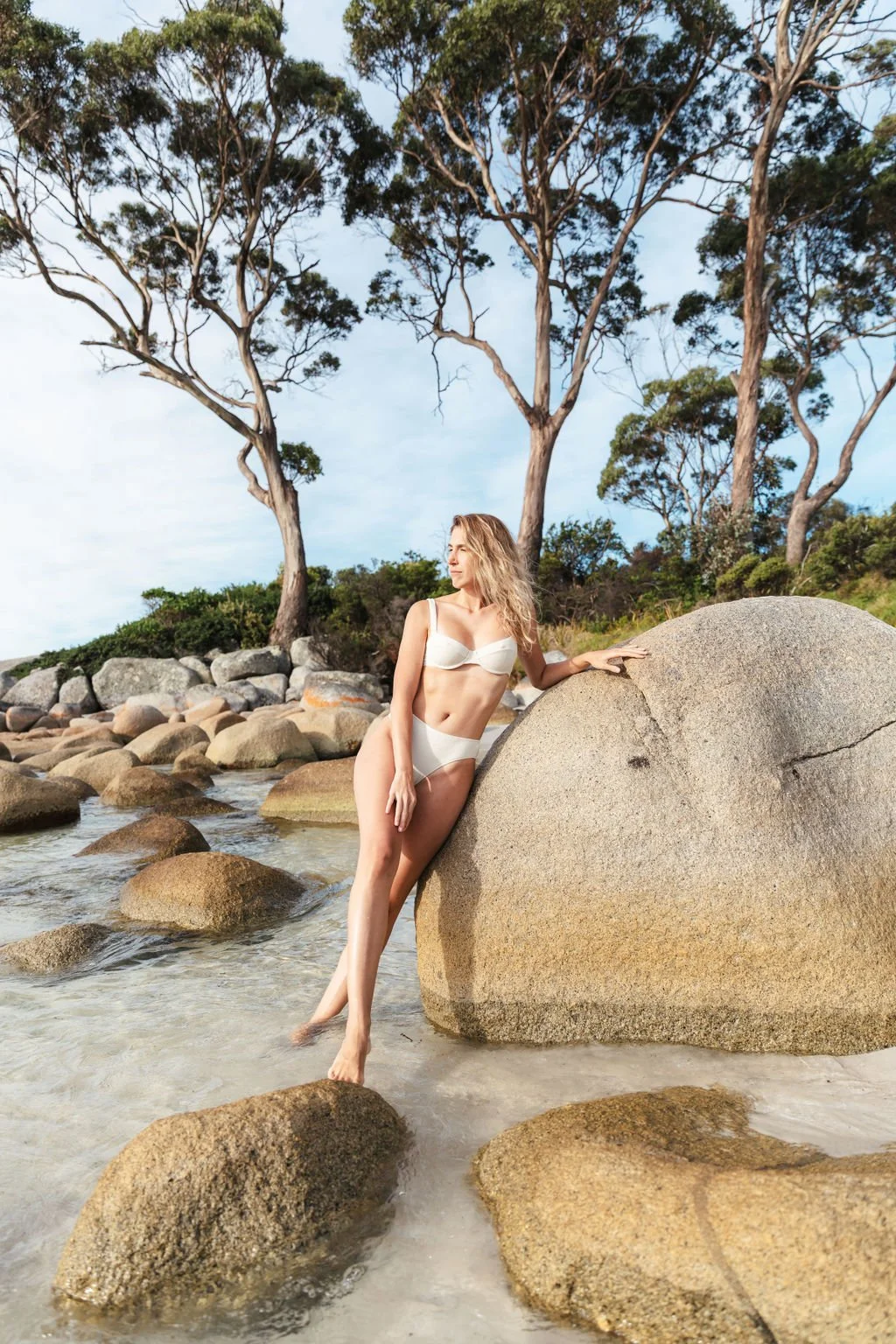
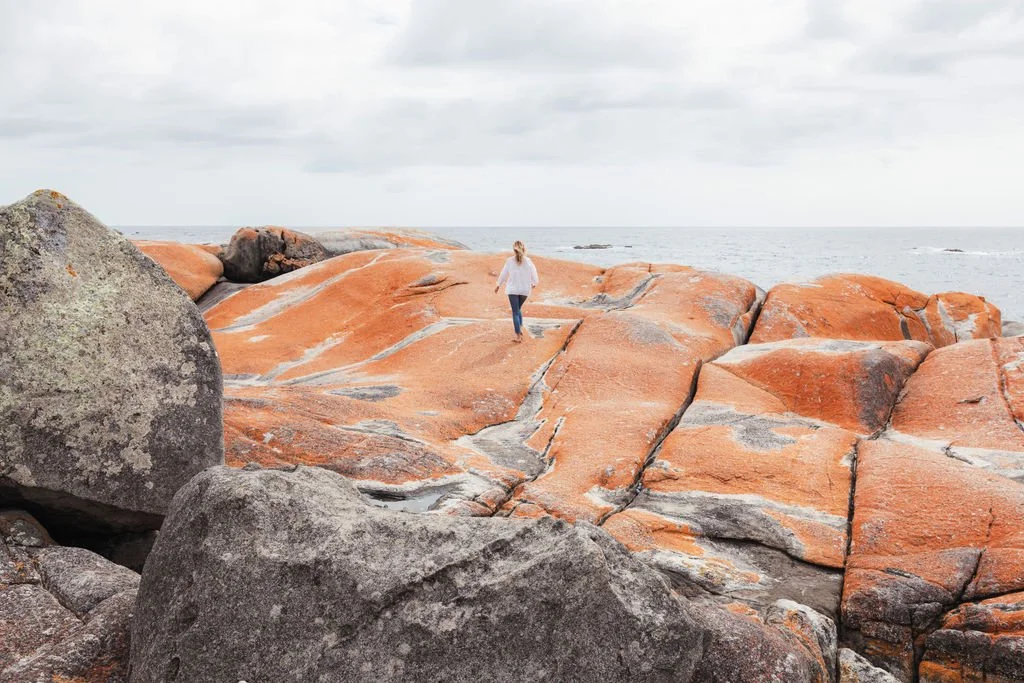
Continuing our drive north, we visited The Gardens, where striking red-lichen-covered boulders stretched into the sea. We explored both the coastal trail and rocky terrain.
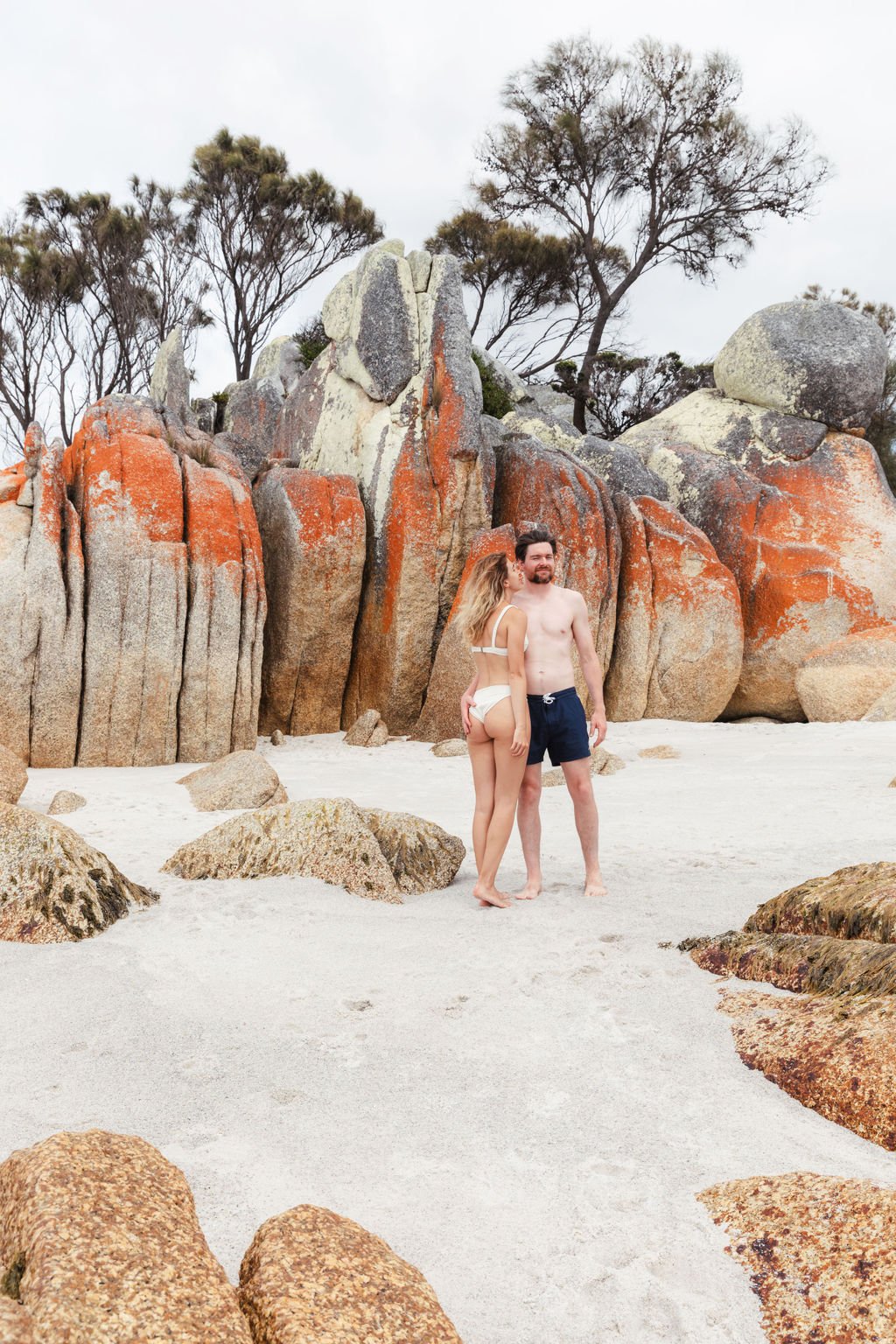
On the way back down South, we made a stop at Cosy Corner North, another stunning beach. At the end of the beach were more red boulders with calm waters.
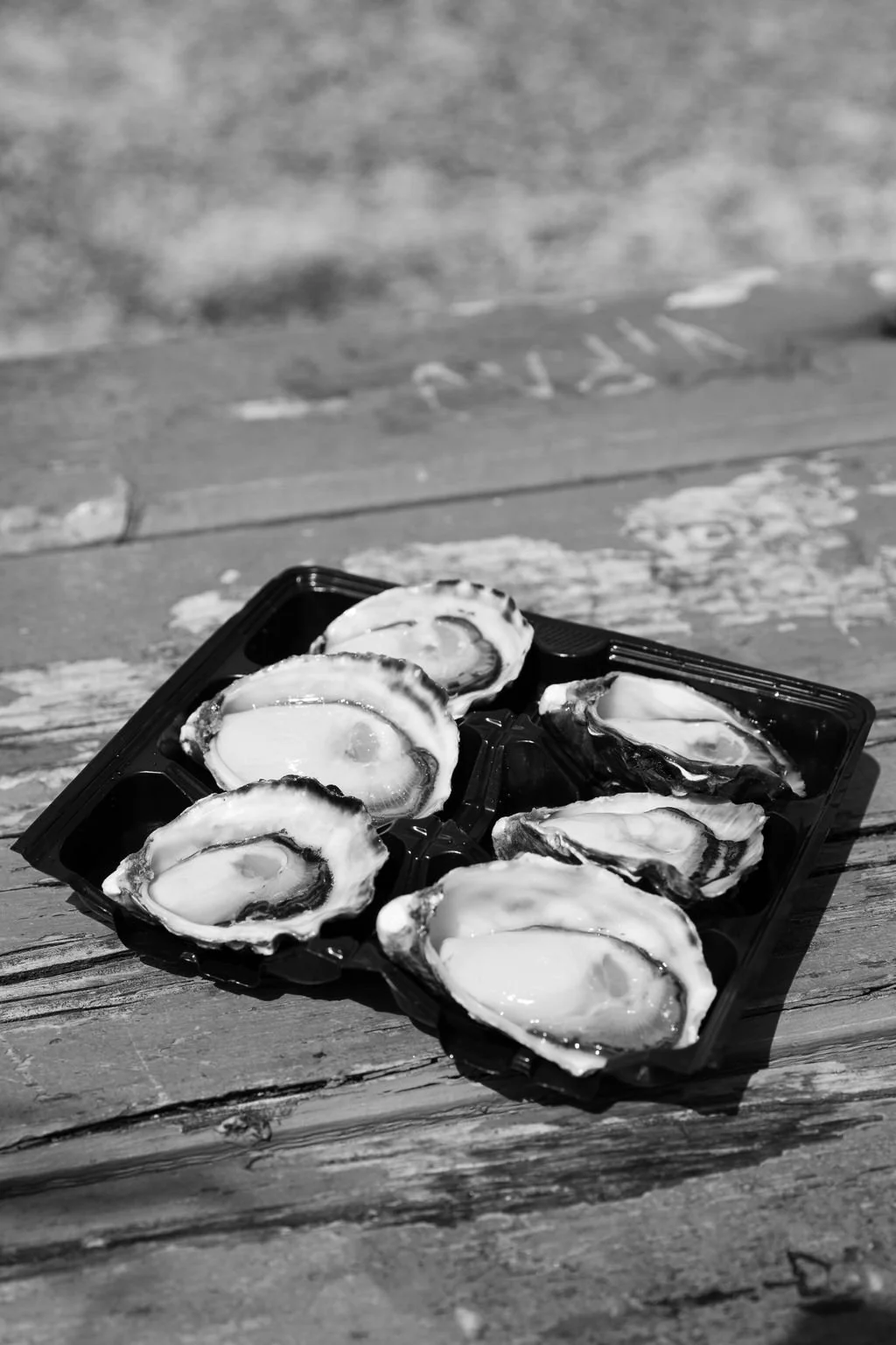
Outside Binalong, we swung by Lease 65, an oyster farm where we picked up six oysters for $15 and paid an extra $2 for an ice pack to keep them fresh. Just a 10-minute drive from Lease 65, we found Bay of Fires Lobster, where you can pick up incredibly fresh lobster straight from the source — usually priced between $50–$60, making it a must for seafood lovers craving a true taste of Tasmania’s coast.
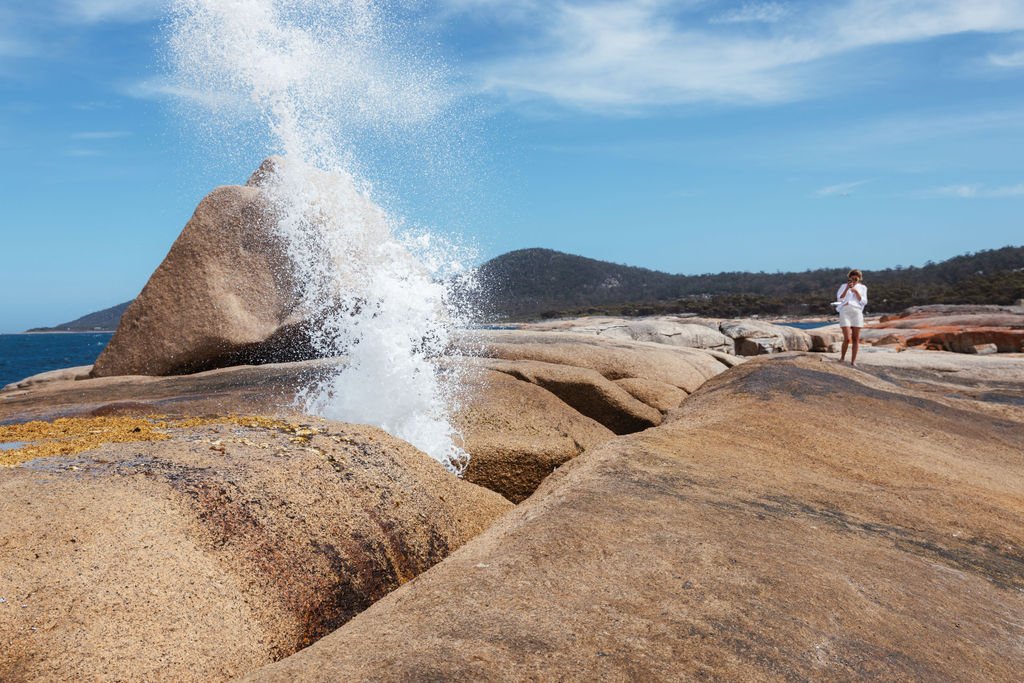
We also visited the Bicheno Blowhole — a natural spectacle that shoots sea spray through a rock cave. Timing is key here, as the effect depends on tides and wind. Later, we stopped at Bicheno Brewing and grabbed a few award-winning pale ales.
Freycinet National Park
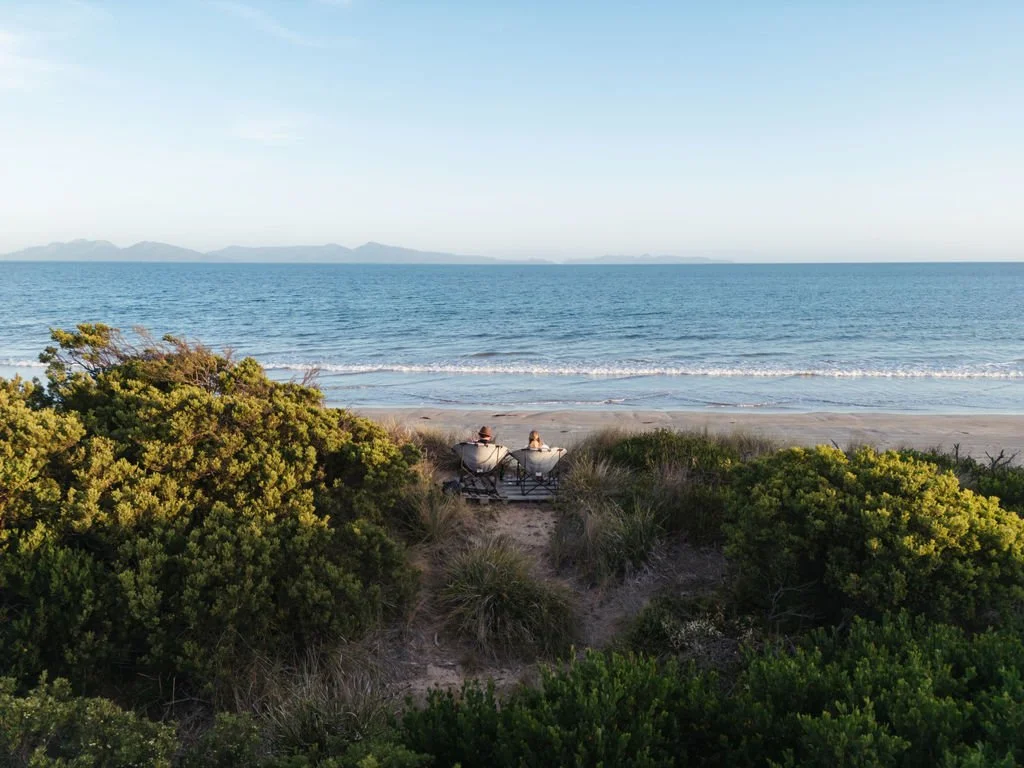
One of our most memorable stays was a tiny house in Dolphin Sands, designed by the architect behind the huts on the Three Capes Walk. The space was a modern retreat with a balcony bath, outdoor shower, private beach path, and dune-top deck chairs — ideal for sunset drinks and hammock lounging. Though close to Freycinet National Park on the map, there’s no direct coastal road, so the drive takes about an hour.
This region is renowned for its wine. We stopped by Gala Estate Winery — a charming cellar door set in a cute historic building. Without a booking, we were warmly welcomed for a tasting: Tammy sampled the whites ($10) while I explored the reds ($15). The wines were so good we couldn’t leave without a couple of bottles, which waived the tasting fee entirely.
Dining options were limited, so we ate at Bark Mill Tavern in Swansea, a relaxed and reliable choice. If you're planning, we recommend booking at:
The Waterloo Hotel, Swansea
With only one day to explore Freycinet, we packed in as much as we could. We left in the early morning darkness, cautious of wildlife on the road. At the car park, we got our daily pass from the automated machine for $46.60 (includes car, up to 8 people). Our first challenge was hiking up Mount Amos. Some hikers aim to reach the summit for sunrise, but we passed them on our ascent as clouds rolled in. The hike is steep and challenging, with exposed rock faces—hiking boots and free hands are essential. The effort was worth it. On the way up, we saw Oyster Bay and even a water plane taking off. At the top, despite the clouds, the view was magical. Wind blew through the rocks, creating a mystical atmosphere. As we descended, the clouds lifted.
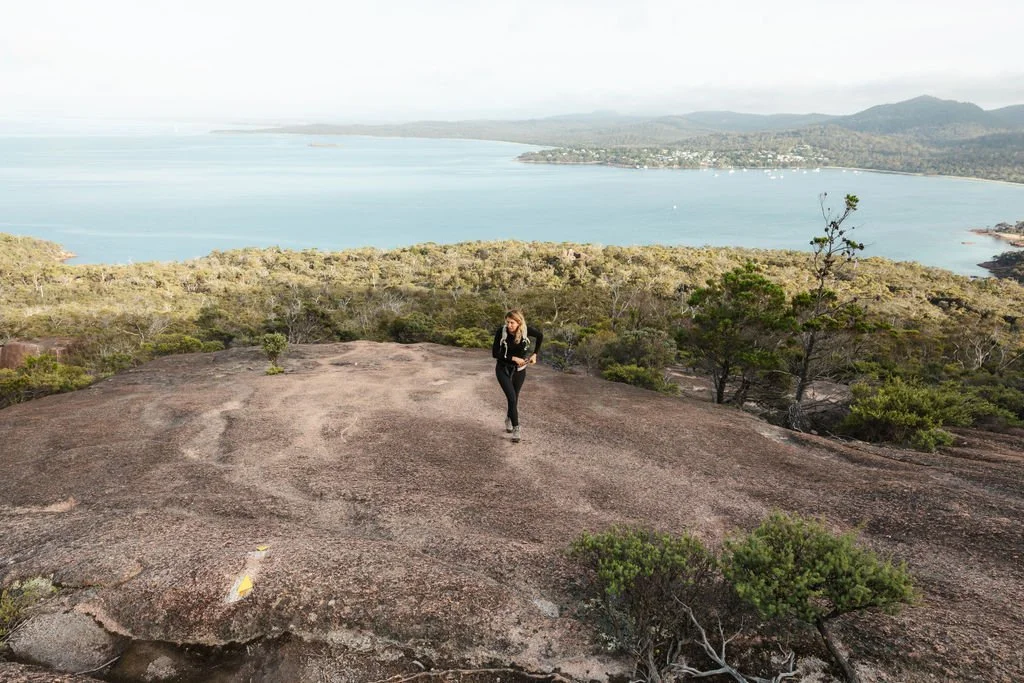
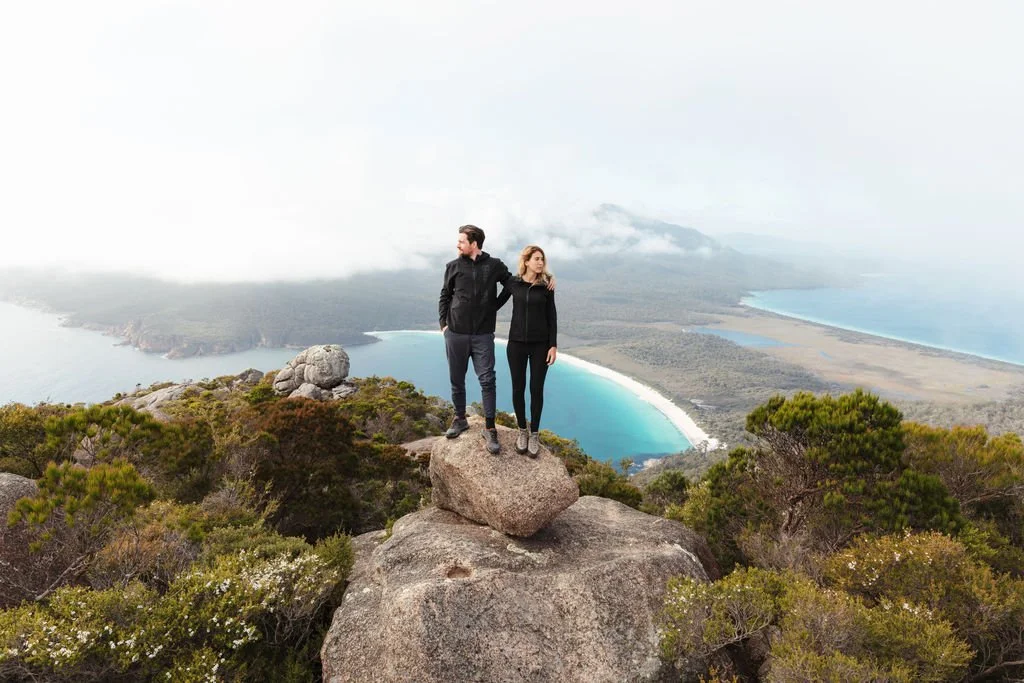
Fueled by adrenaline, we decided to take on the 4-hour Wineglass Bay and Hazards Beach circuit. It turned out to be a bit ambitious—especially the final stretch up the stairs—but we finished just in time for our afternoon oyster tour.
Oyster Tour
We joined an oyster farm tour that began with a short bus ride to a private estuary. Waders on, we waded into the river while our guide explained oyster farming techniques, showing us everything from tiny baby oysters to a 12-year-old giant. We slurped freshly shucked oysters straight from the crates and later enjoyed a tasting paired with Riesling, lemon, and mignonette, followed by steamed mussels around wine barrels. At $170 per person (or $275 with wine tasting), it was a standout experience.
Maria Island
Early the next morning, we drove to Triabunna to catch the ferry to Maria Island. Pre-booking was essential, and we were advised to arrive 45 minutes early. The crossing took 45 minutes. As soon as we arrived, we veered left and followed the coastal path, quickly leaving the crowd behind. Kangaroos lounged under the trees, and some visitors opted for bike rentals to explore further.
We hiked to the dramatic Fossil Cliffs—sheer limestone faces plunging into the sea. Rather than climb Bishop and Clerk, we took a more relaxed inland path to the reservoir. The peaceful walk was full of wildlife, including pademelons. We stopped for a snack at a quiet picnic table before returning to Darlington, the former penitentiary. The historical buildings are well preserved and full of interpretive displays.
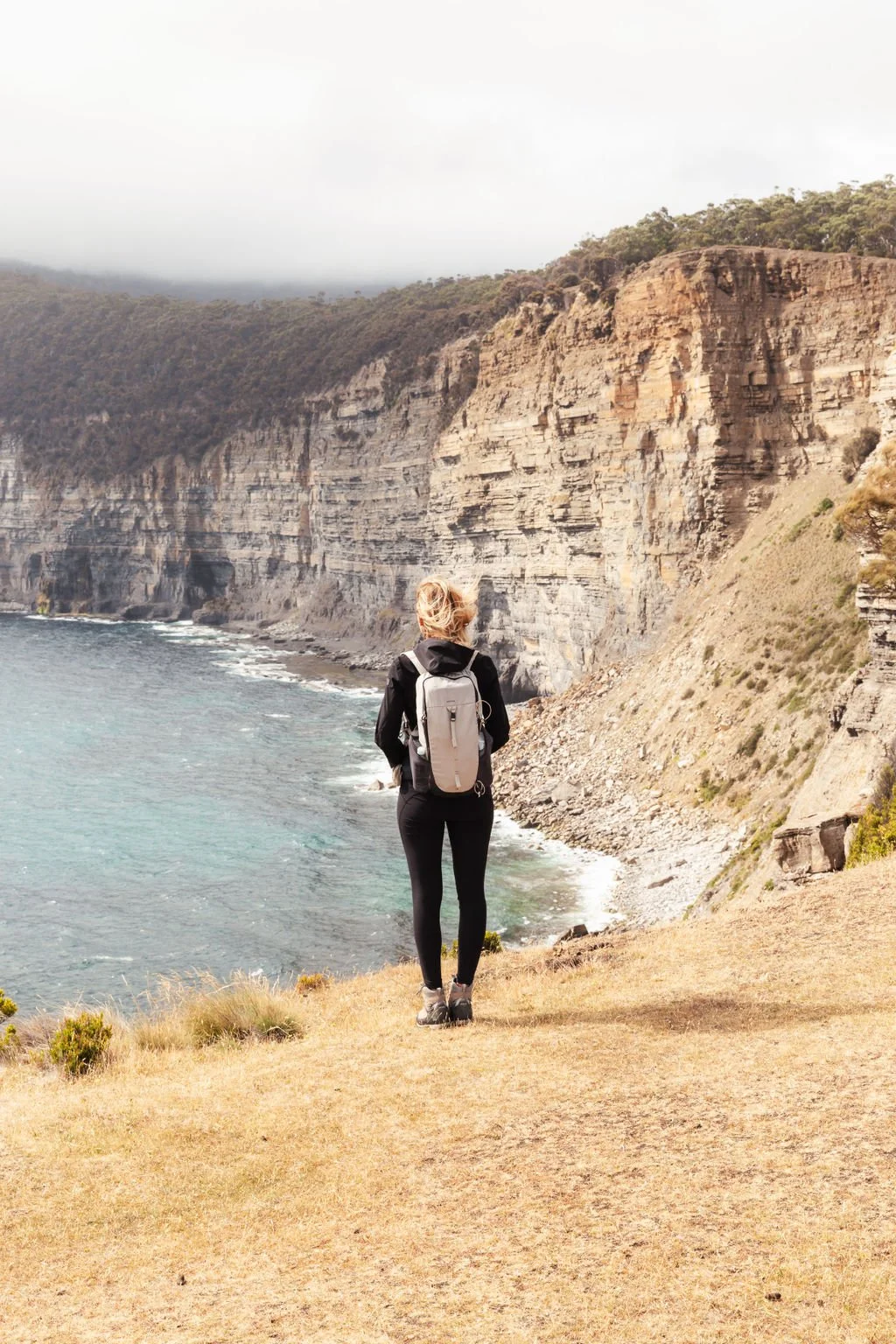
We continued over the hill to Hopground Beach and the Rainbow Cliffs. The tide was low, so we could explore the rock pools and patterns, although warning signs discouraged walking too far on the unstable terrain. We swam and snorkelled but didn’t spot much marine life. Behind the beach, we finally saw a wombat! On our walk back through the plains, we saw three more, including a baby.

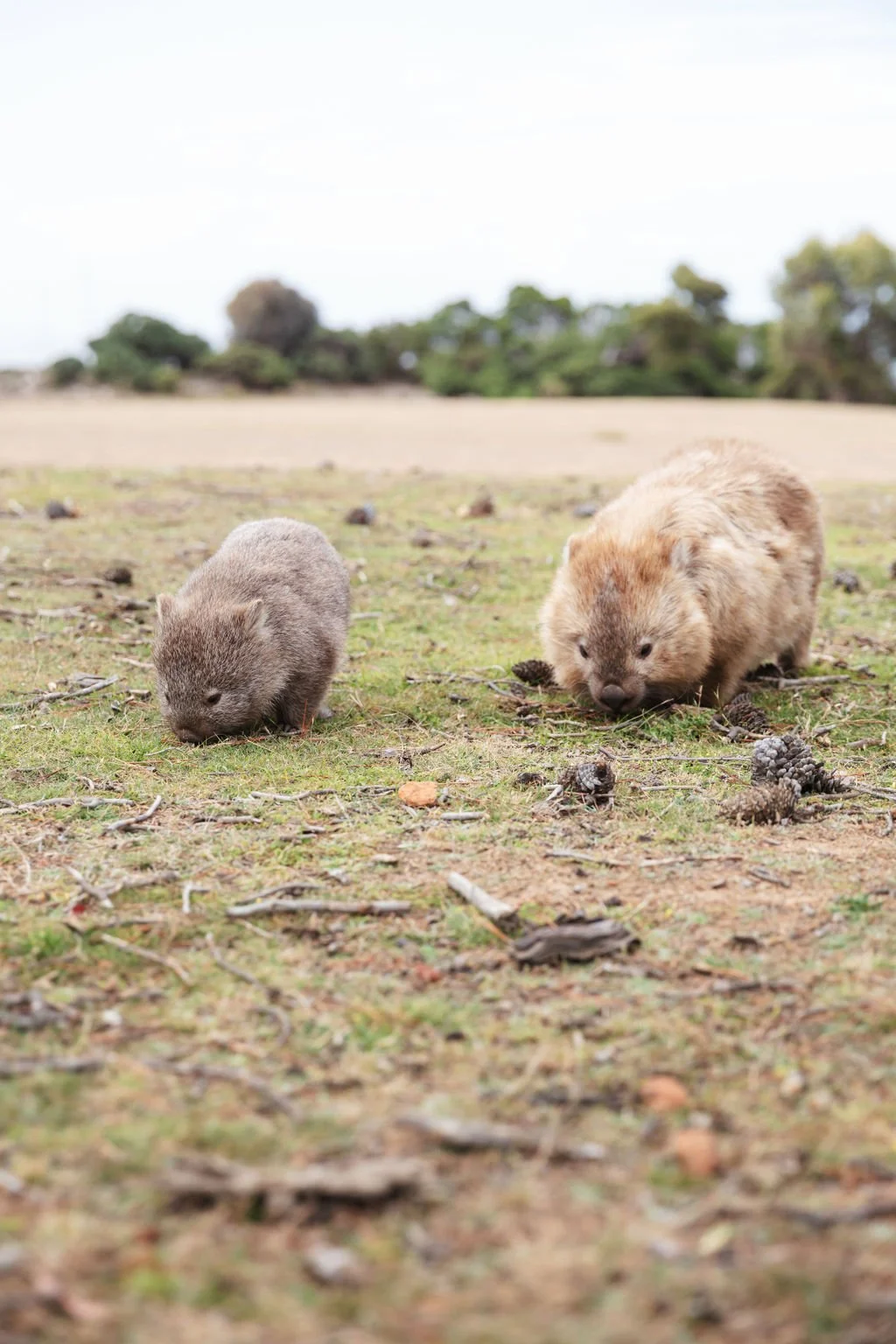
The return ferry was much rougher, with sea spray drenching those of us seated on the deck.
Hobart
We arrived in Hobart on a Saturday evening — just missing the famous Salamanca Market, which runs each Saturday. Luckily, our hotel, The Moss, was nestled in Battery Point right next to the market. With forest-inspired interiors and garden skylights, it felt like a little oasis. Weekend parking was free, and we arranged paid day parking ($20) on Monday.
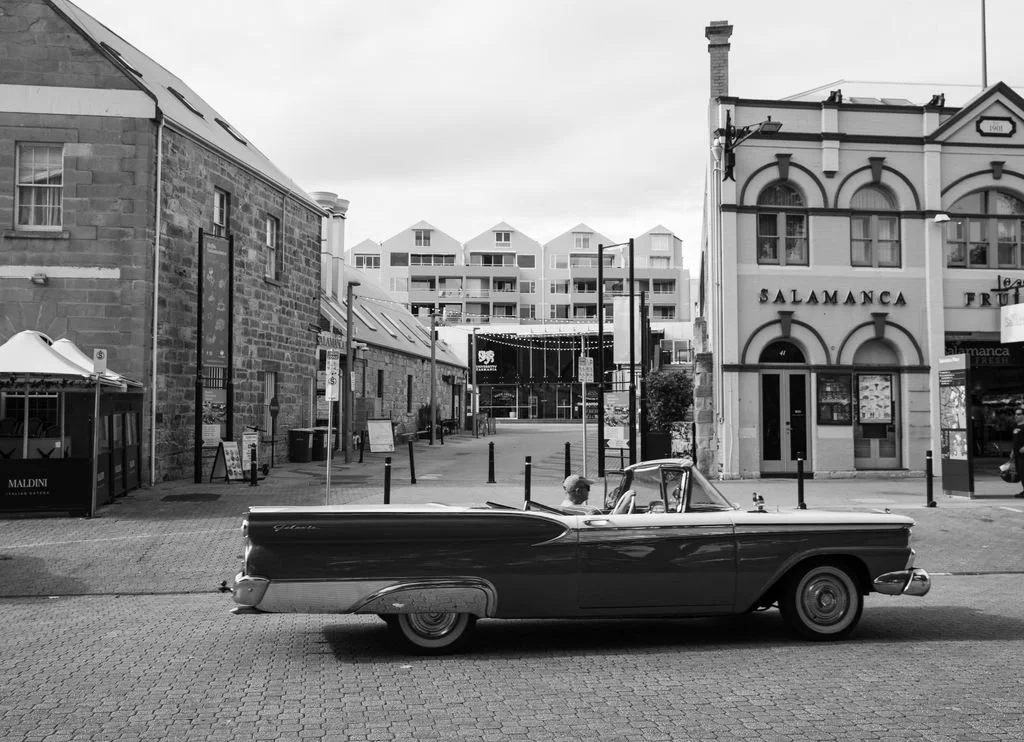
We dined at Mures Upper Deck, a classy seafood restaurant on the harbour. Their more casual takeaway downstairs is great for a quicker bite.
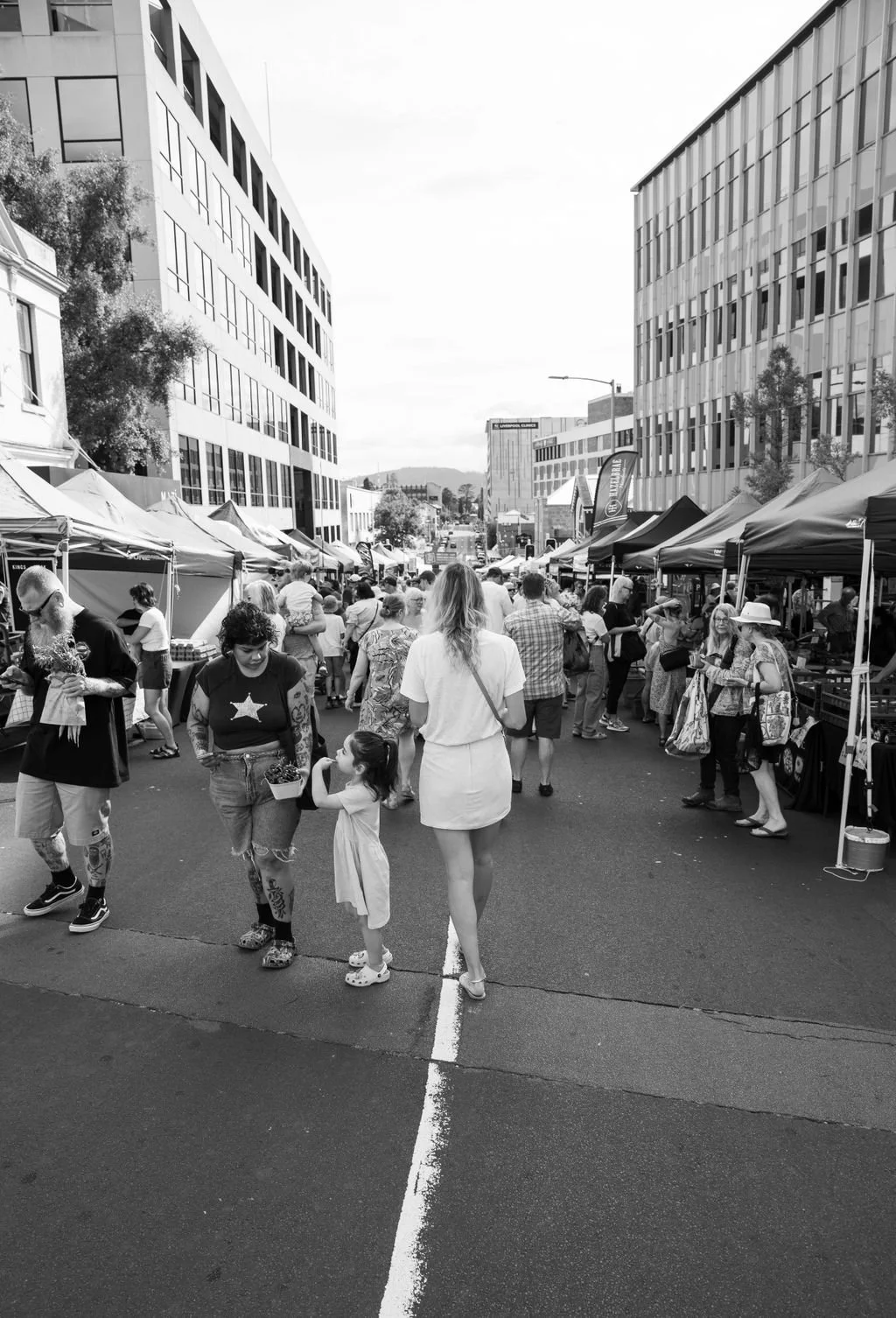
Sunday morning began with coffee from Ecru, a cozy hole-in-the-wall café. We then explored the Farmers Gate Market, which quickly became a favourite. Small but high-quality, we snacked our way through — juice, a breakfast roll, pastries, and juicy cherries, all sourced from local producers. At Taylor & Smith Distillery, we had a quick (and free) gin tasting.
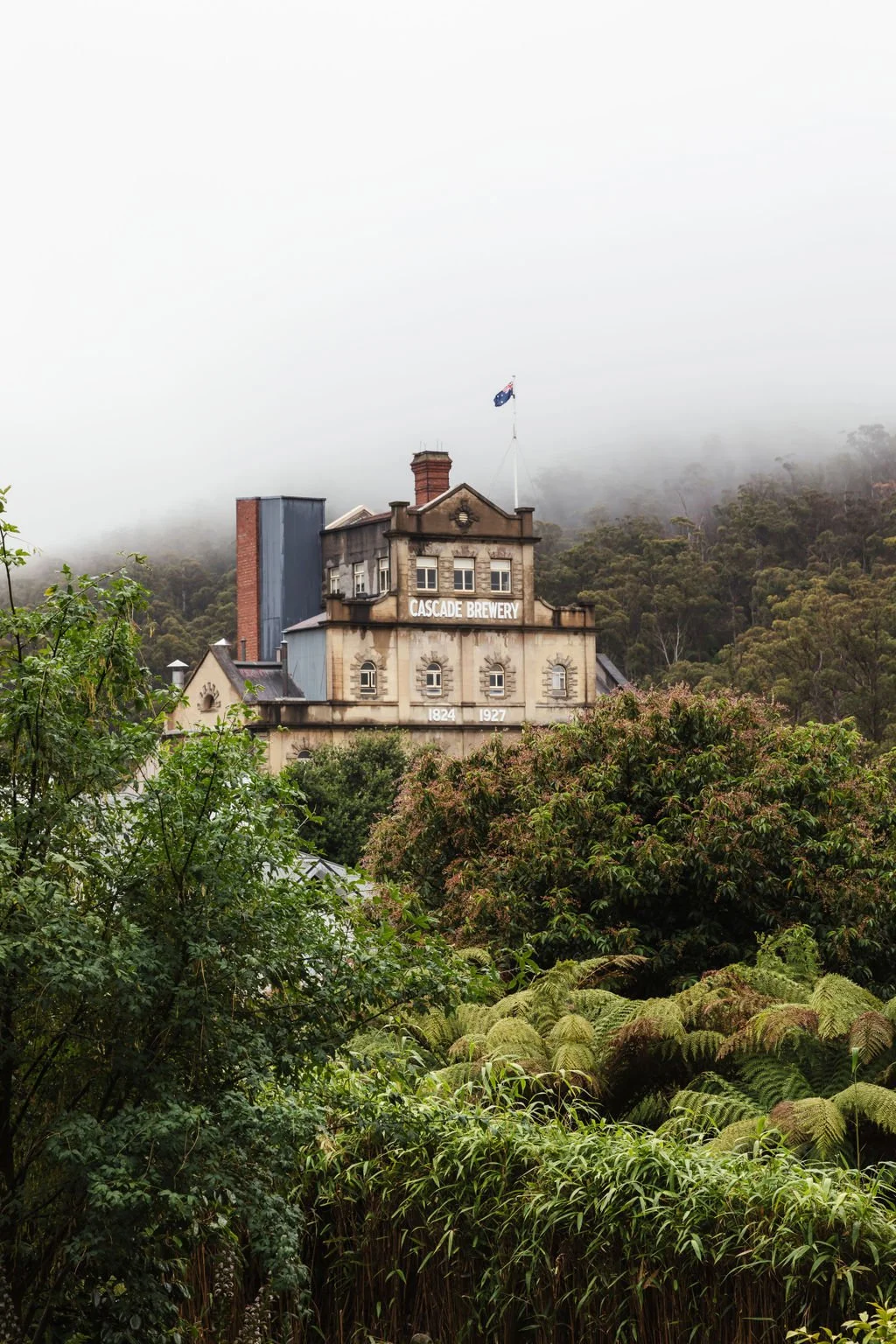
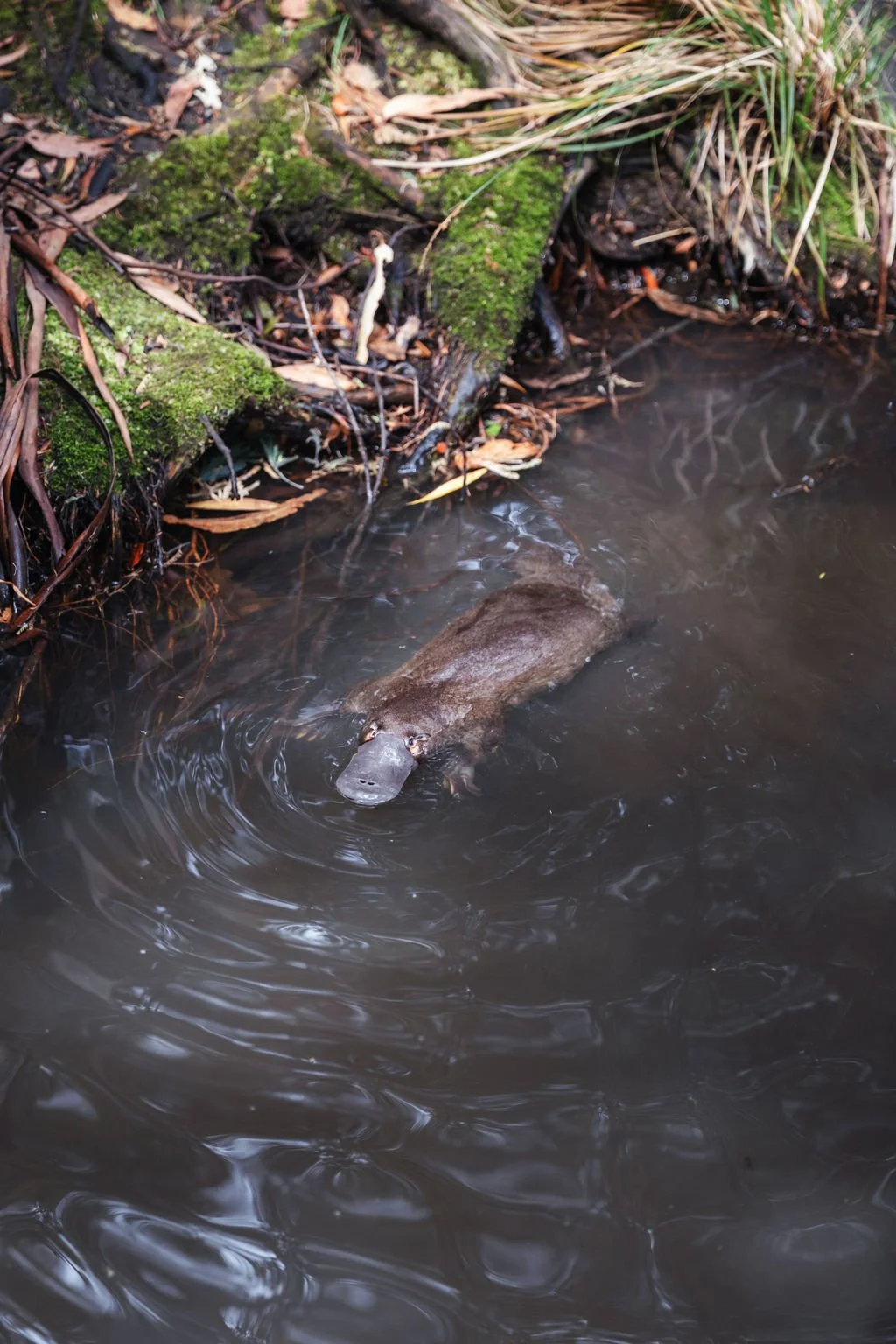
Despite low visibility on Mount Wellington, we enjoyed the moody, misty summit before retreating to Cascade Brewery. The 1.5-hour tour ($38) included tastings and a fascinating history of Australia’s oldest operating brewery. Pro tip: check out the platypus in Cascade Park — we spotted one by waiting quietly along the riverbank.
Later, we detoured through Richmond, a charming town with sandstone cottages and a historic bridge. Though we arrived too late for most shops, it still felt like stepping back in time.
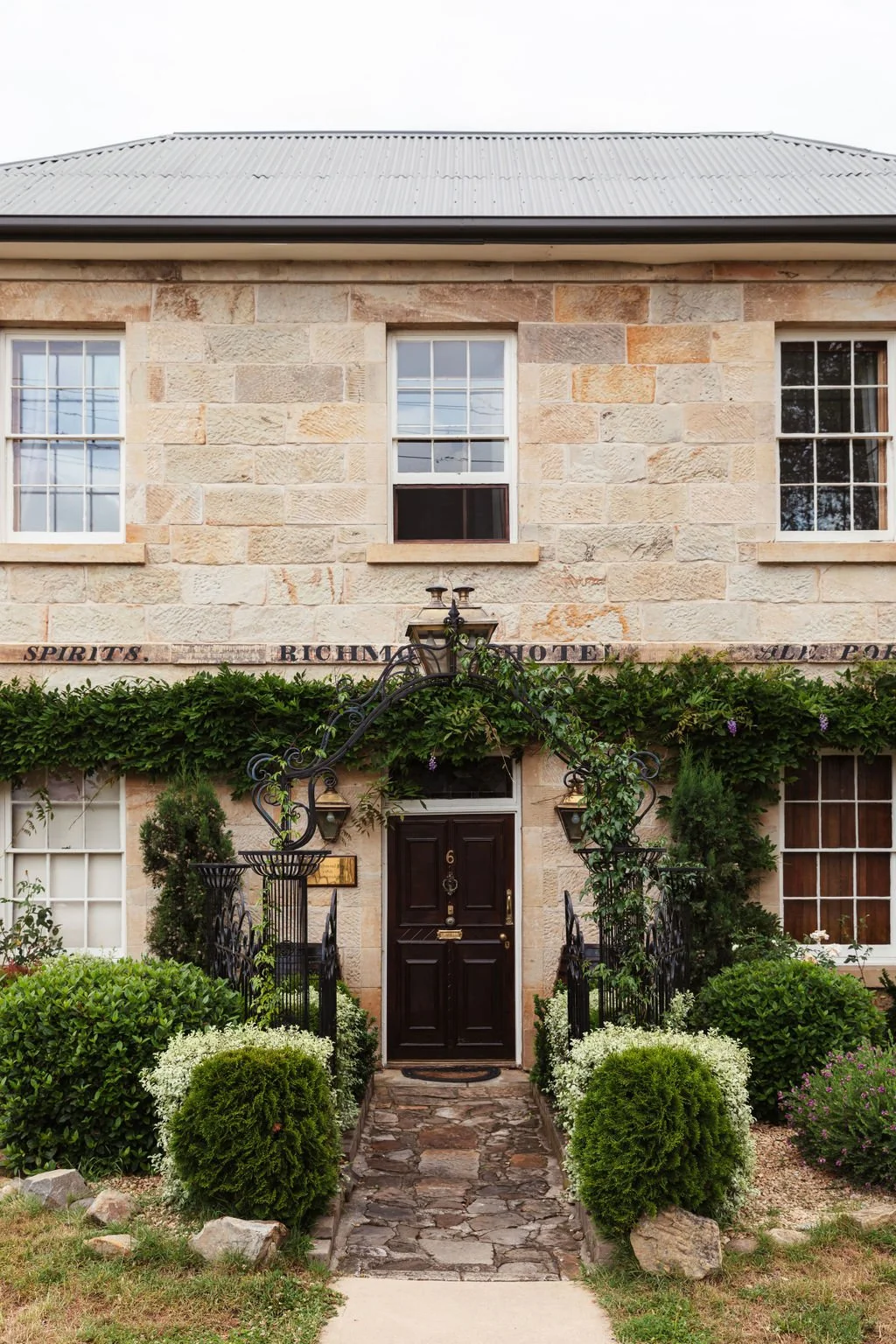
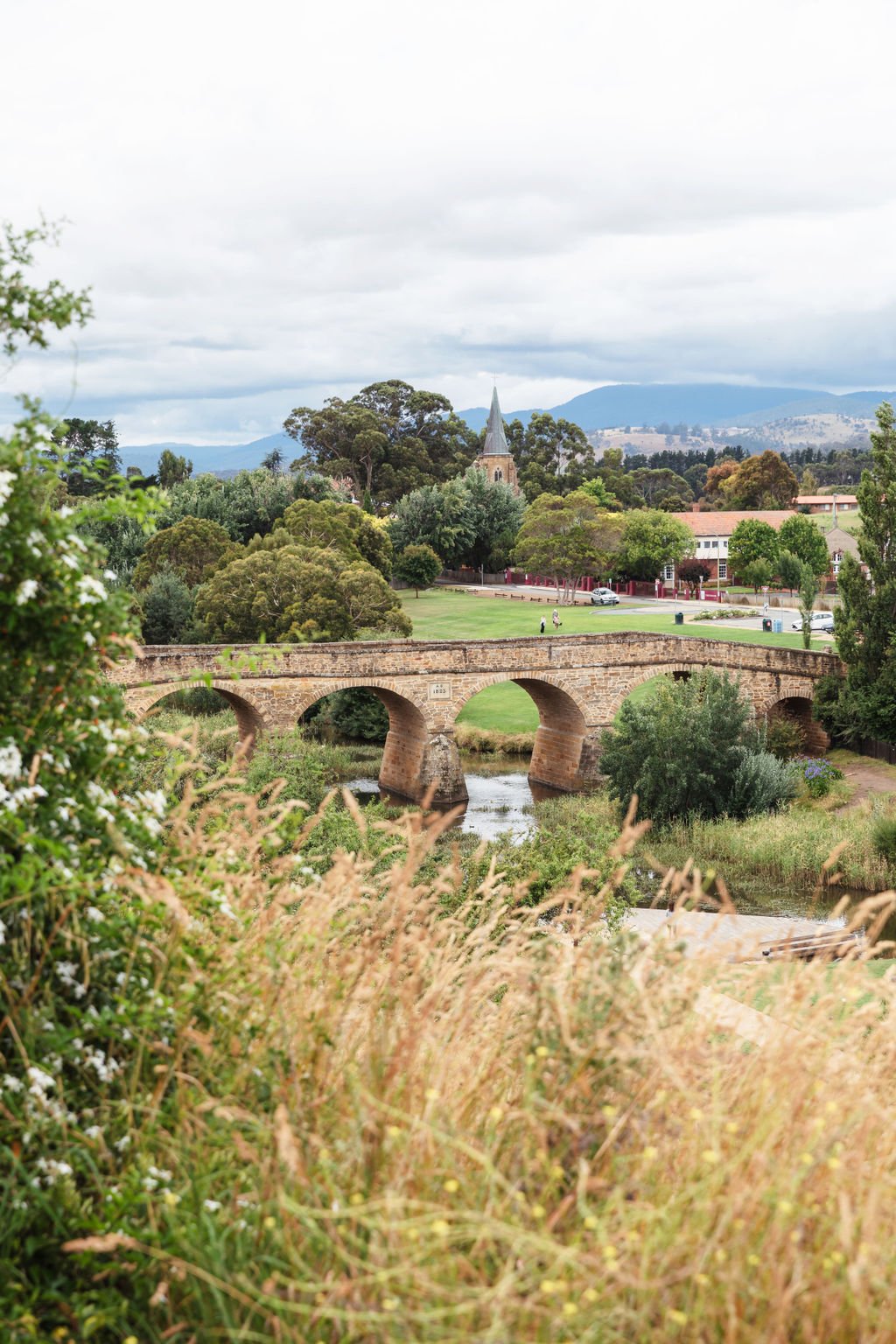
Dinner at Da Angelo was a highlight — a warm, family-run Italian spot in Battery Point serving homemade pasta with locally sourced ingredients.
MONA (Museum of Old and New Art)
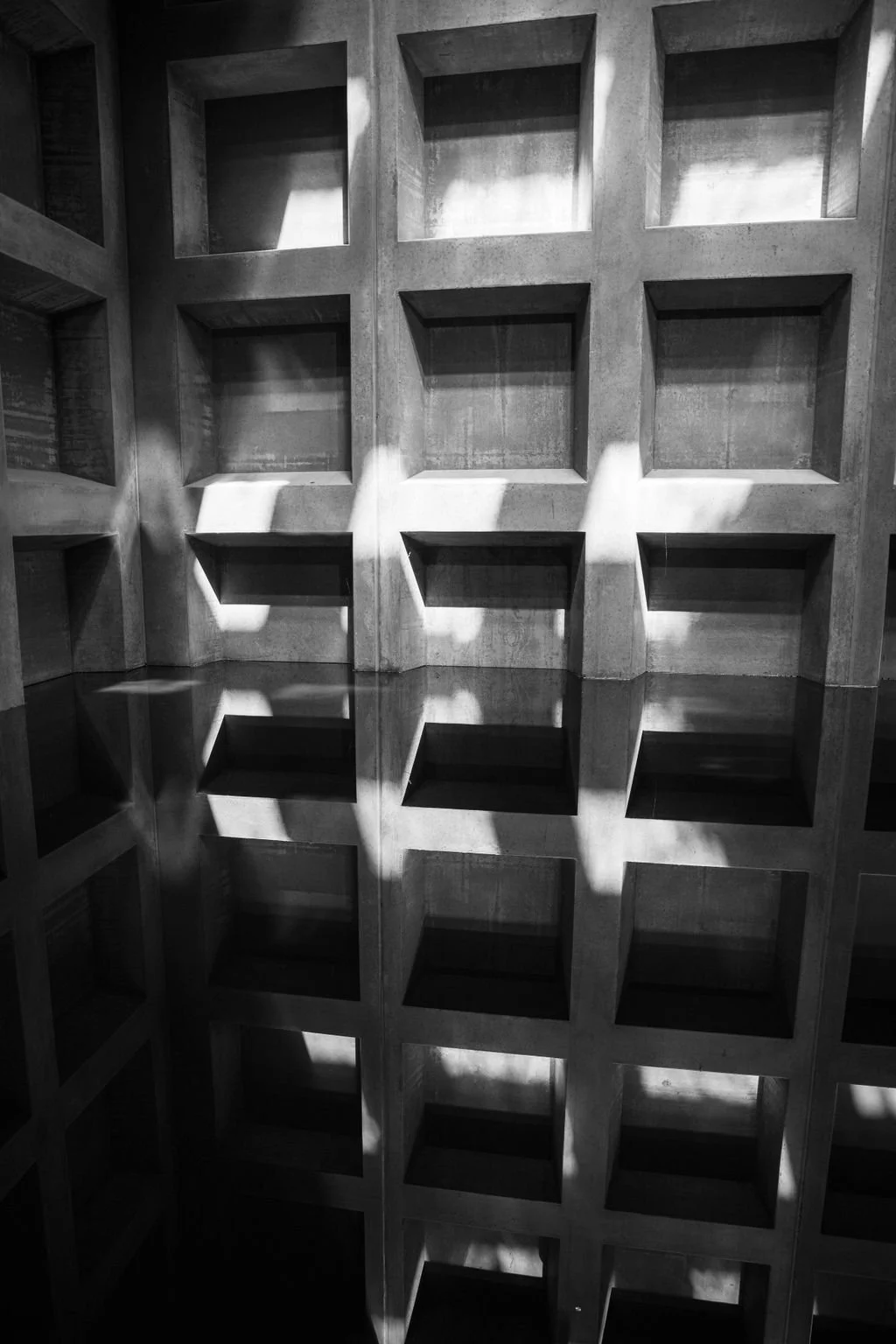
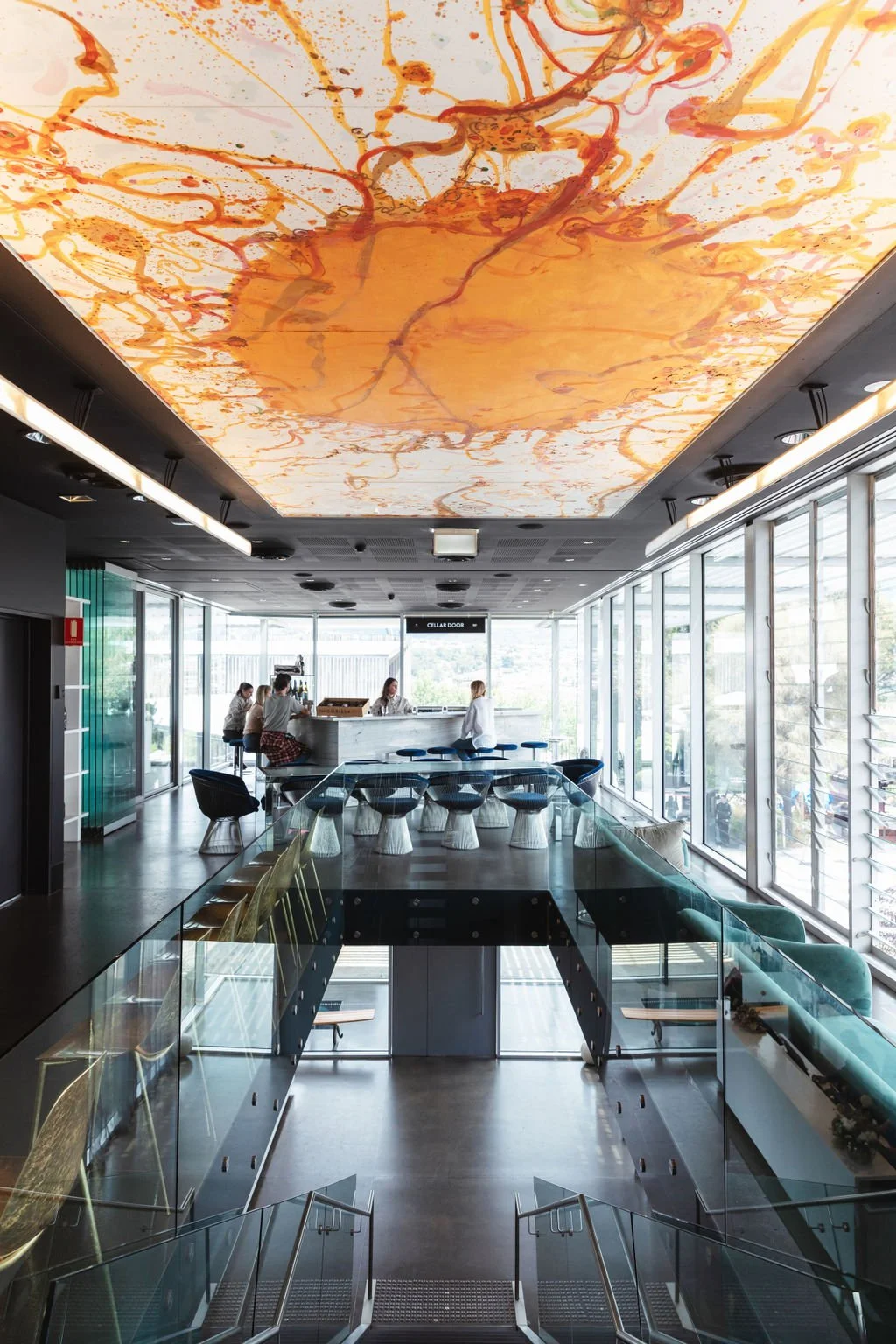
On our final day, we visited MONA. It’s only open Friday to Monday, and we chose a Monday to avoid the crowds. The museum ferry ($28 return) is half the fun — we upgraded to the Posh Pit for $32 extra and enjoyed wine and canapés in a luxe lounge during the smooth 30-minute ride.
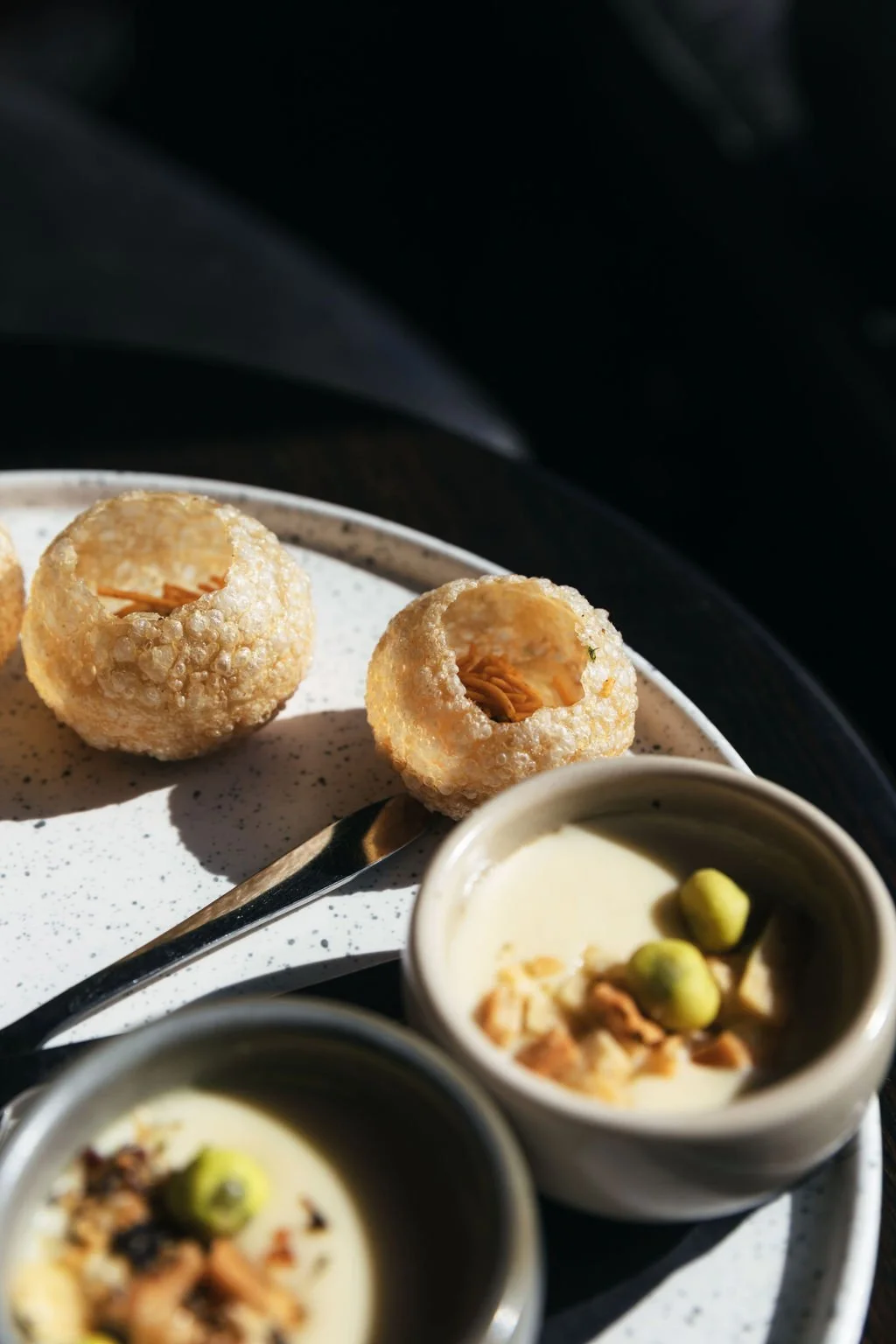
The museum itself was an eclectic mix of interactive, controversial, and thought-provoking installations. We spent about 3 hours inside, though we could’ve stayed longer. Make sure you make reservations for extra exhibits and restaurants.

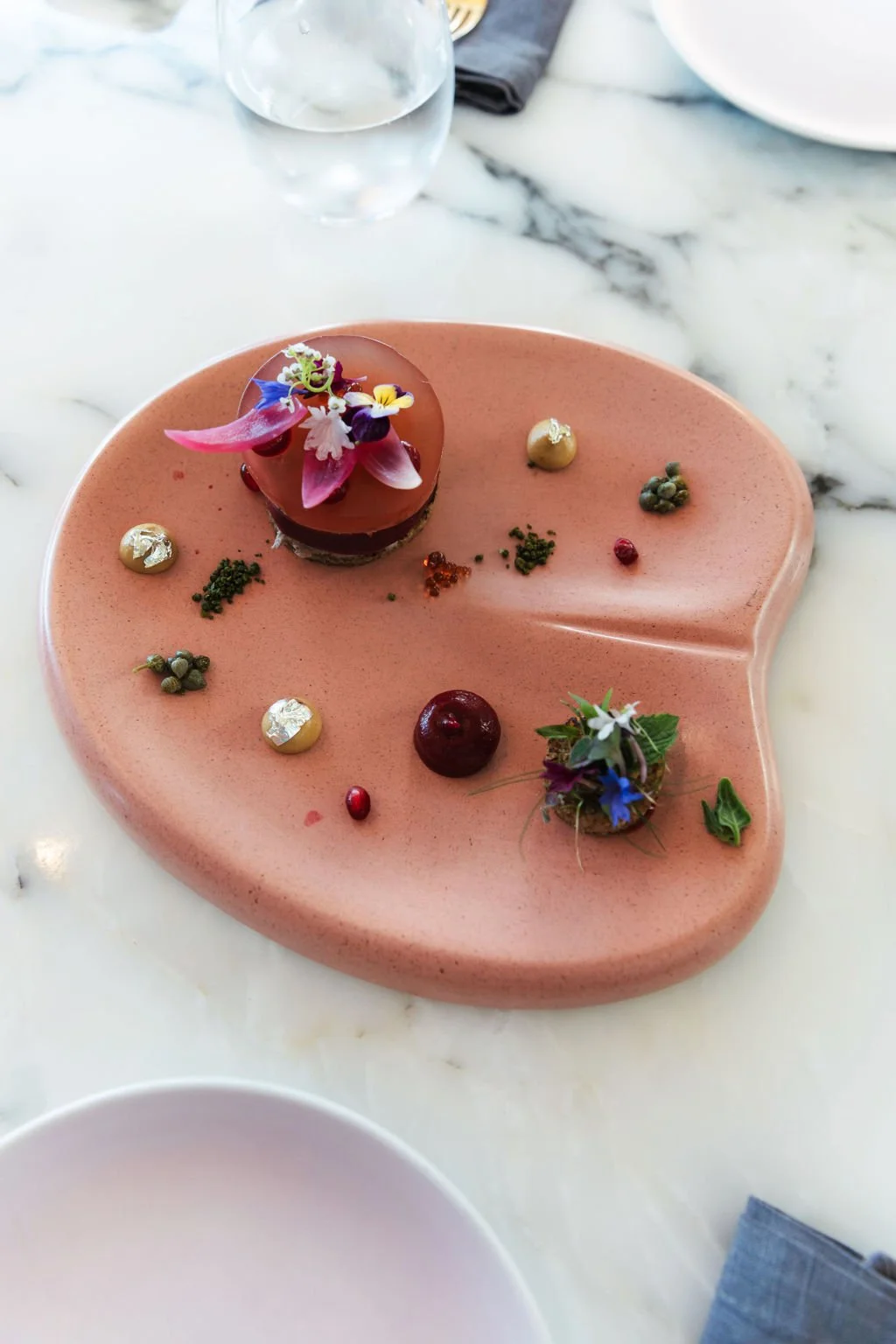
We capped off our visit with a wine tasting at Moorilla, MONA’s own winery ($20, 40 minutes), and lunch at Faro, the on-site restaurant made famous in ABC’s Eat the Invaders. Their inventive menu uses introduced species like rabbit and deer. We were especially excited by a dish named after my great-great-great-grandfather, Thomas Austin, the man who introduced rabbits to Australia.
Until next time Tassie
The blend of wild natural beauty, rich local flavours, and warm hospitality made every stop along the coast uniquely special. It’s a stretch of Tasmania that truly captures the island’s magic, and we left already dreaming of our next visit.