Experiencing Uluru: A Surreal Outback Adventure
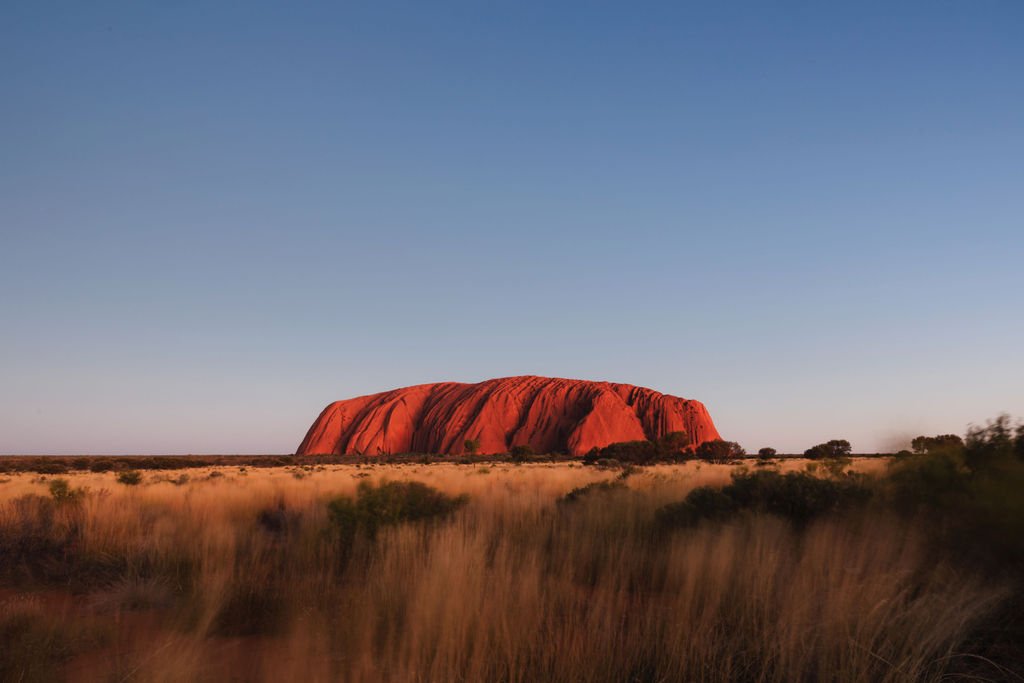
Uluru is hands down the most unique place we’ve visited in Australia. Nestled in the heart of the Red Centre, it feels like another world—so remote, with crystal-clear skies and minimal light pollution. It’s no surprise it’s been voted one of the best places in the world for sunrise and sunset.
We spent three nights here in mid-January, during the off-season. Yes, it was hot and humid, but the upside? Fewer crowds and cheaper flights—we scored return flights from Melbourne to Ayers Rock Airport for $250 per person with Jetstar. This 3-day itinerary covers the best of Uluru and Kata Tjuṯa while staying cool during the hottest part of the day.
Day 1 – Arrival & Resort Highlights
Arrive at Ayers Rock Airport (Jetstar from Melbourne)
Pick up rental car (Avis via ADAC)
Check in at The Lost Camel Hotel
Relax by the pool during peak heat
Join the free Bush Food Experience and visit the Gallery of Central Australia
Walk through Waḻpa Gorge in the late afternoon
Astro Tour with stargazing and astrophotography tips
Day 2 – Uluru Sunrise & Base Walk
Watch sunrise at Uluru Viewing Area
Walk the full Uluru Base Circuit (start at Kuniya Car Park)
Visit the Cultural Centre
Dinner at Ilkari Restaurant
Sunset picnic at Uluru Car Sunset Viewing Area
Day 3 – Kata Tjuṯa & Field of Light
Sunrise at Kata Tjuṯa Dune Viewing Platform
Valley of the Winds Hike (aim to finish before 11 am)
Sunset from Imalong Lookout, spot Wintjiri Wiru drones from a distance
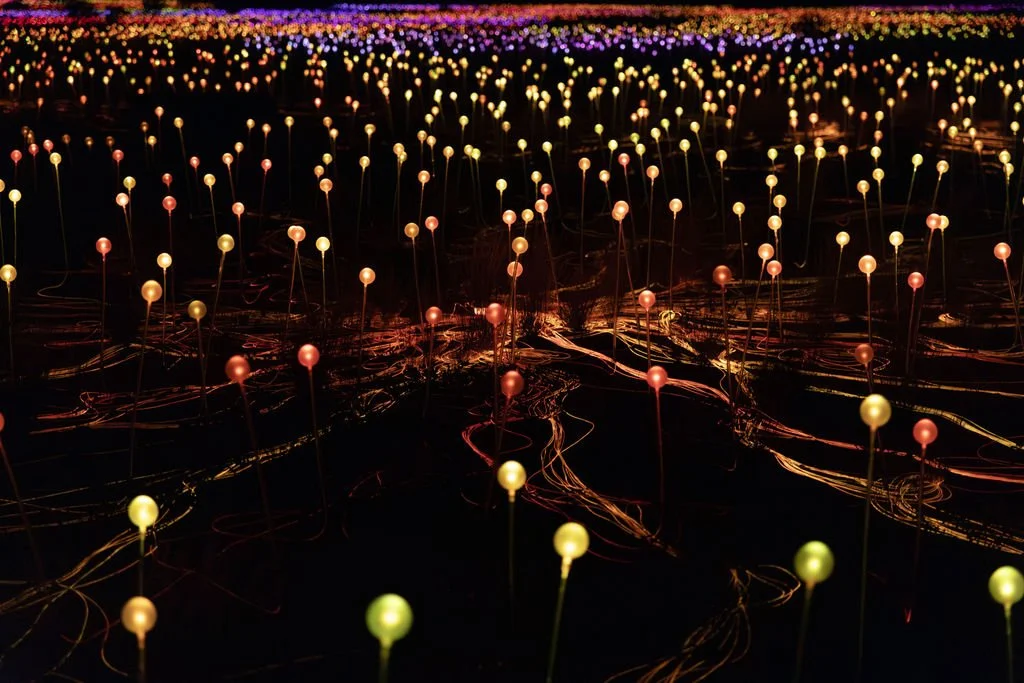
Visit the Field of Light installation at night (general admission)
A Note of Respect
Uluru is a sacred place of deep cultural significance to the Anangu, the Traditional Owners of this land. In respect of their wishes, the photos shared here avoid culturally sensitive or restricted areas and focus on the wider landscape and personal experience.
Getting There + Getting Around
Ayers Rock Airport is one of the smallest we’ve seen. We hired a car through ADAC (Avis), which had the best all-inclusive deal. Everyone seemed to be getting their car from Avis. The process was slow—there was only one Avis counter with a decent queue—but once we had the car, it was a quick 10-minute drive to the resort.
Driving through the outback was surreal. The flat red landscape, dotted with giant rock formations, looked like something out of a movie.
Where We Stayed
We stayed at The Lost Camel Hotel, a boutique spot with a pool—essential when daytime temps push 40°C. During the heat, we chilled in the shade, napped in the air-con, or joined free activities around the resort.
Free Resort Activities
Bush Food Experience: A great intro to native fruits, spices, and grains—plus tastings.
Didgeridoo Workshop: Learn about the instrument’s cultural significance.
Gallery of Central Australia: Indigenous art that tells stories of culture, ancestry, and connection to Country.
The Arkani Theatre (where most activities are held) is also a good escape from the heat, with free daily movie screenings.
Where to Eat
Food options are limited, but we made the most of them:
Kulata Academy Café (breakfast): Great coffee, decent prices, and a hospitality training program for Aboriginal students.
Ilkari Restaurant (dinner): So good we went twice. A 3-course menu is around $102, with native ingredients and an open kitchen experience. Reservation is recommended
Mangata Bistro & Bar: More casual, slightly cheaper, but still full of native flavours.
We would have loved to experience the Tali Wiru 4 course Sunset Dinner but it only operates between April and October. There are 2 more other cheaper dining experiences, Sounds of Silence and Wintjiri Wiru Sunset Dinner which includes the drone show.
Waḻpa Gorge (Day 1)
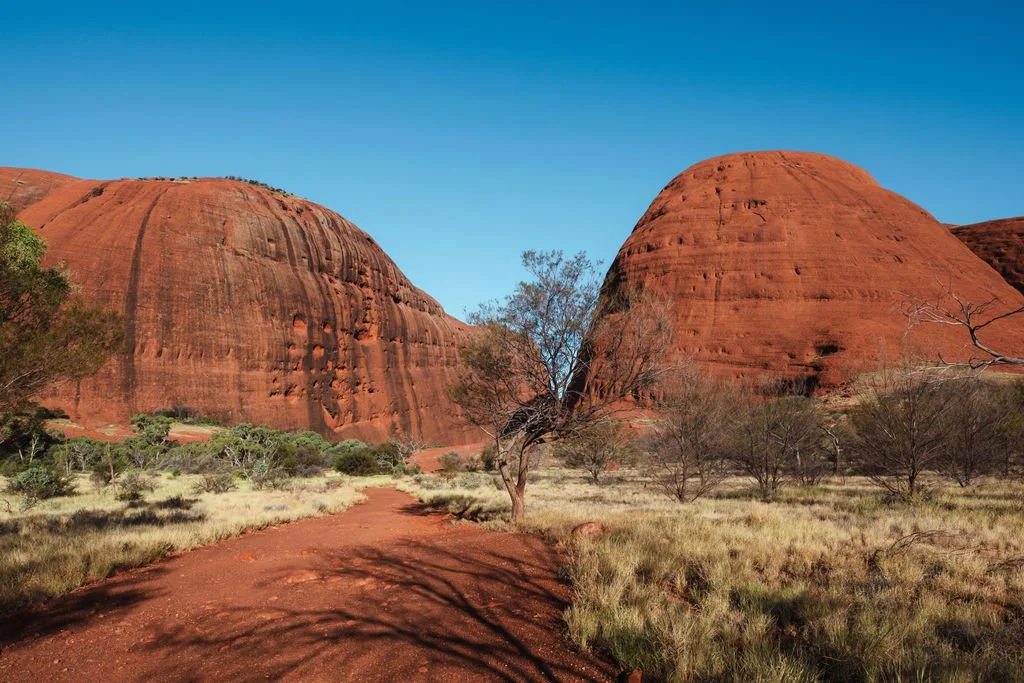
A 40-minute drive from the resort. The late afternoon sun was manageable, though flies were intense (grab a fly net for $10 in town!). The 30-minute walk into the gorge was quiet and scenic, with surprising greenery and a trickling stream.
Astro Tour (Night 1)
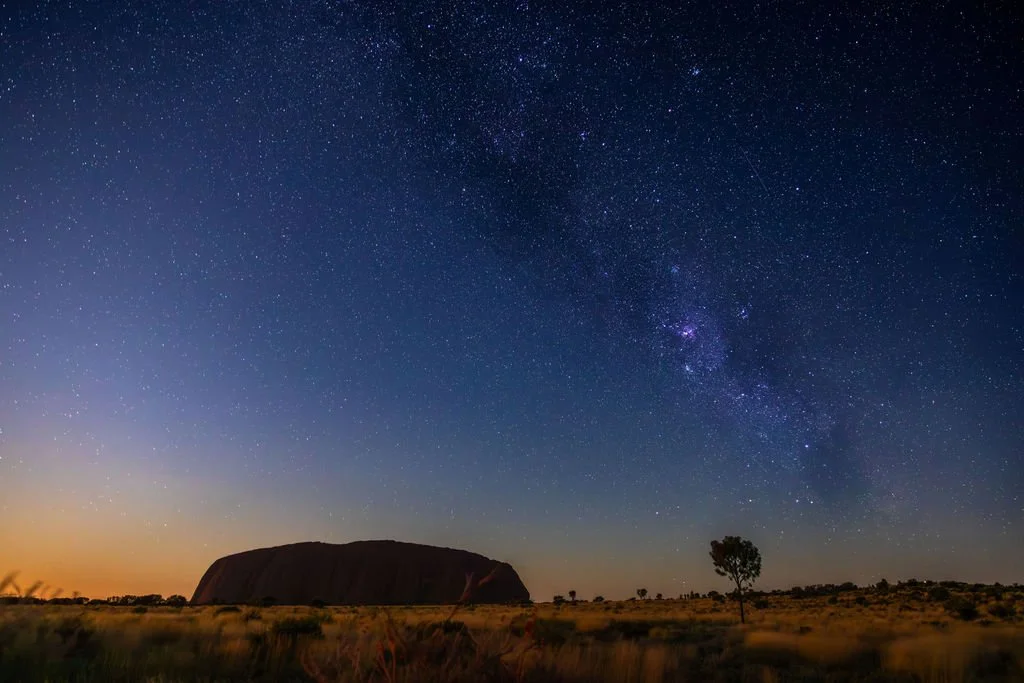
Picked up at 9pm from Sails in the Desert. We stargazed through massive telescopes, learned about the constellations, and took long-exposure photos of Uluru. Our guide even informed us about a visible comet to look out for the following night! Click here for more information and to book
Sunrise + Uluru Base Walk (Day 2)
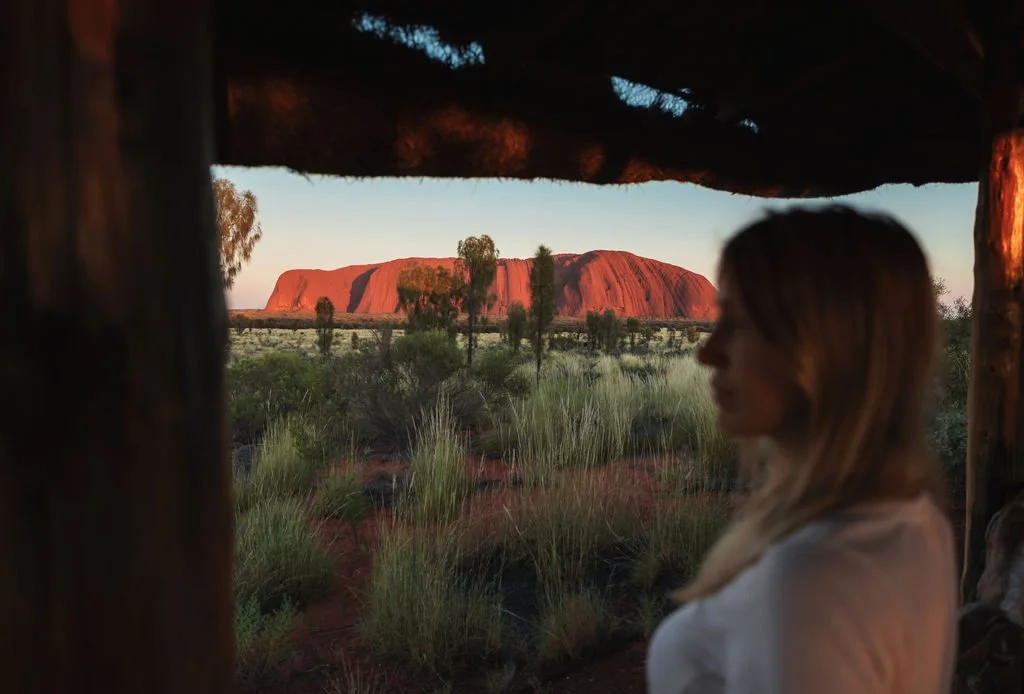
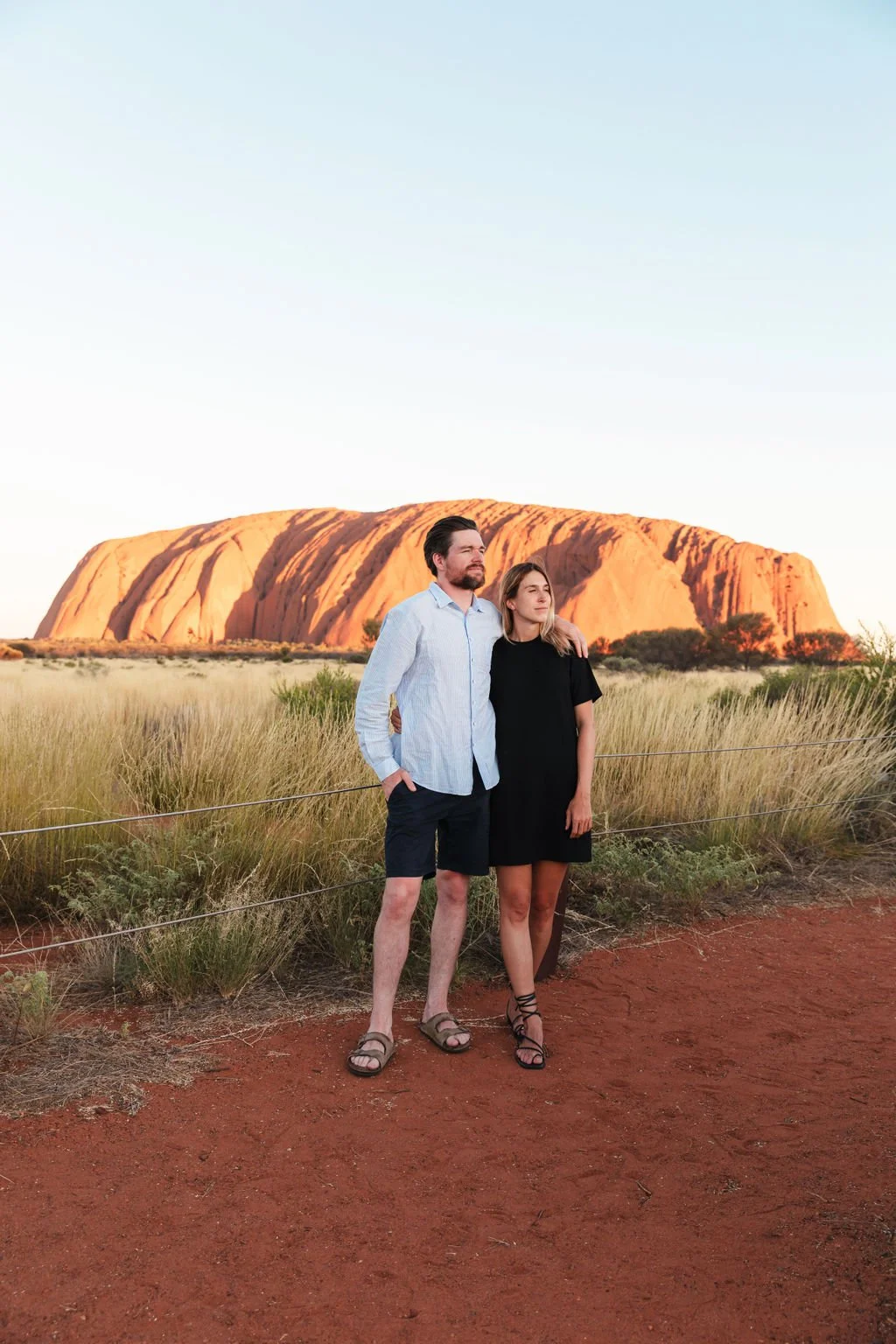
We arrived at the Uluru Sunrise Viewing Area about 30 mins before sunrise. Instead of crowding on the main platform, we watched from a quiet hut nearby. The colours shifting on Uluru as the sun rose were stunning.
After sunrise, we drove to Kuniya Car Park and started the base walk. Highlights included:
Ancient rock art and cultural signs.
Kantju Gorge, where we listened to frogs in the peaceful silence.
Shady paths near the base (our favourite section).
Tips:
Carry water—there are refill stations at Mala Car Park and the opposite side of Uluru.
Mala Walk offers a free guided tour at 8am (Oct–Apr).
We finished the walk just as the sun really started heating up.
Cultural Centre
Located near Uluru, this space offers deep insight into Aboriginal culture and history. Great for souvenirs and understanding the area’s significance.
Sunset at Uluru
We headed to the Uluru Car Sunset Viewing Area, reversed into a spot, and enjoyed a trunk picnic. It was quieter than sunrise and the rock transformed through a kaleidoscope of colours. Magical.
Kata Tjuṯa Sunrise + Valley of the Winds (Day 3)
We started early again to catch the sunrise at Kata Tjuṯa, with views of both the domes and Uluru in the distance. Then we did the Valley of the Winds hike before it closed due to heat (it shuts at 11am if forecast is above 36°C).
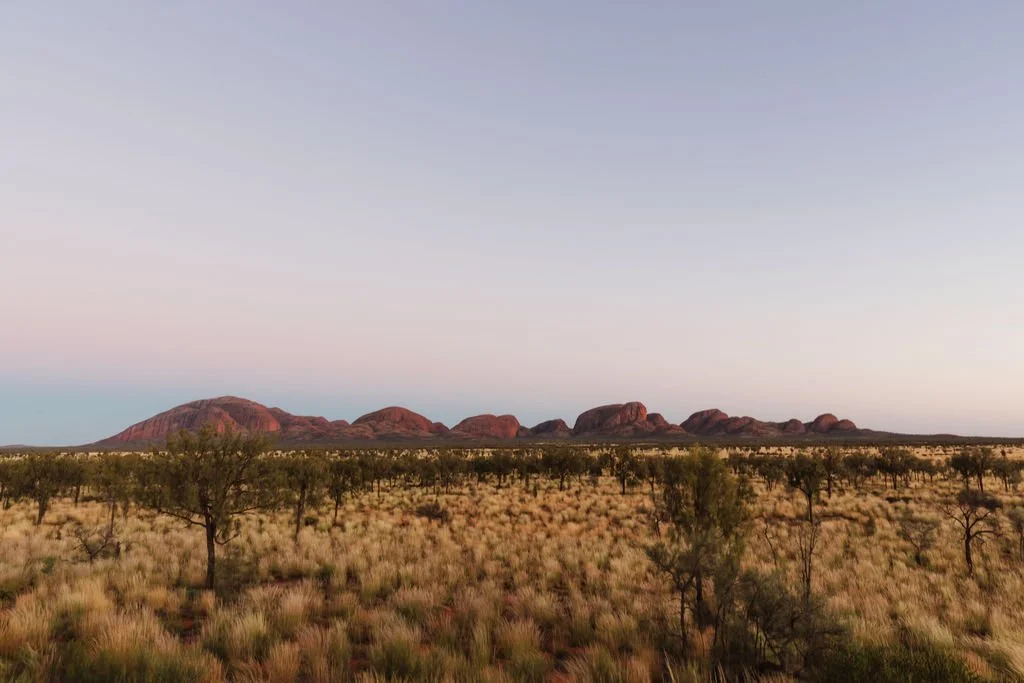
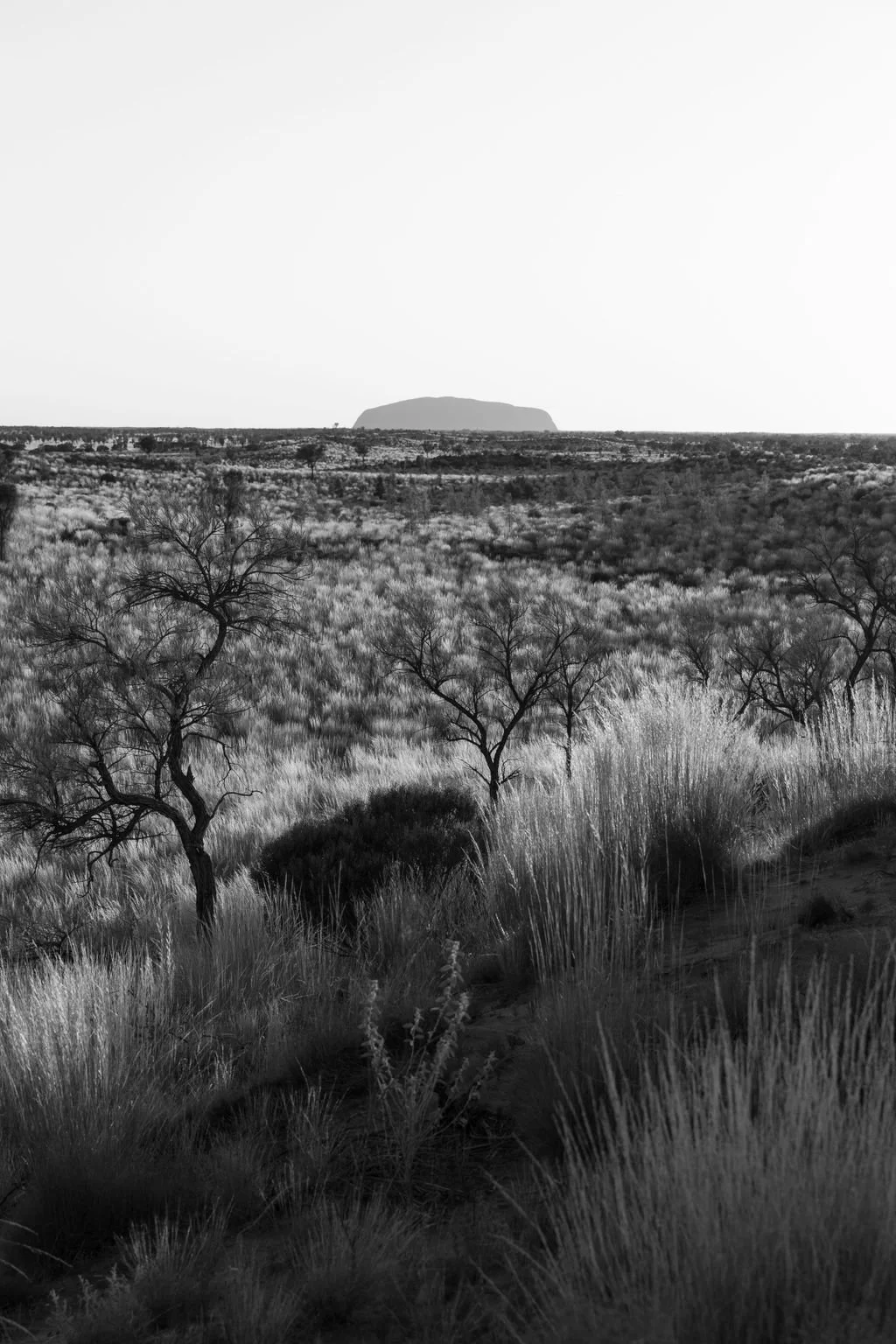
The path winds between giant domes with beautiful views and breezes to keep the flies at bay. The hike was meant to take 3-4 hours—we finished in two. The Karu Lookout halfway through had the best view of all.
Final Sunset + Field of Light
On our last night, we walked up to Imalong Lookout (5 mins from our hotel) to watch the sunset. We even caught a distant glimpse of the Wintjiri Wiru drone show — a visual storytelling experience with 1200 drones (starts at $190pp, includes food).
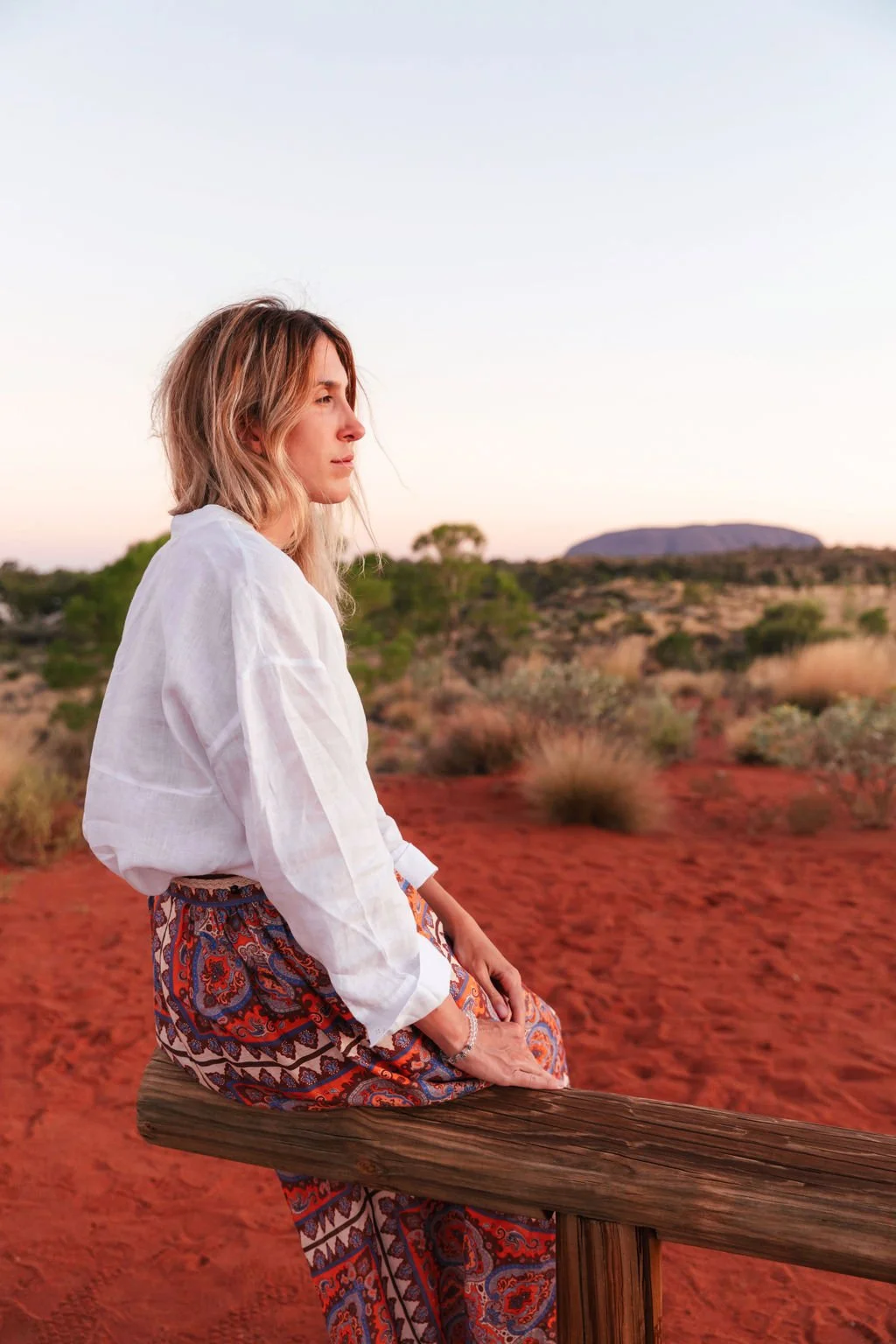
Later, we joined the Field of Light experience ($48pp), where 50,000 solar-powered lights created a dreamlike desert installation. We walked the long loop through the glowing field, soaking up the calm and colour.
Final Thoughts
Uluru in summer is extremely hot but there are other positives. With fewer crowds, clear skies, and so much cultural depth, it’s easily one of the most memorable places we’ve explored in Australia.